
Last updated November 24, 2026
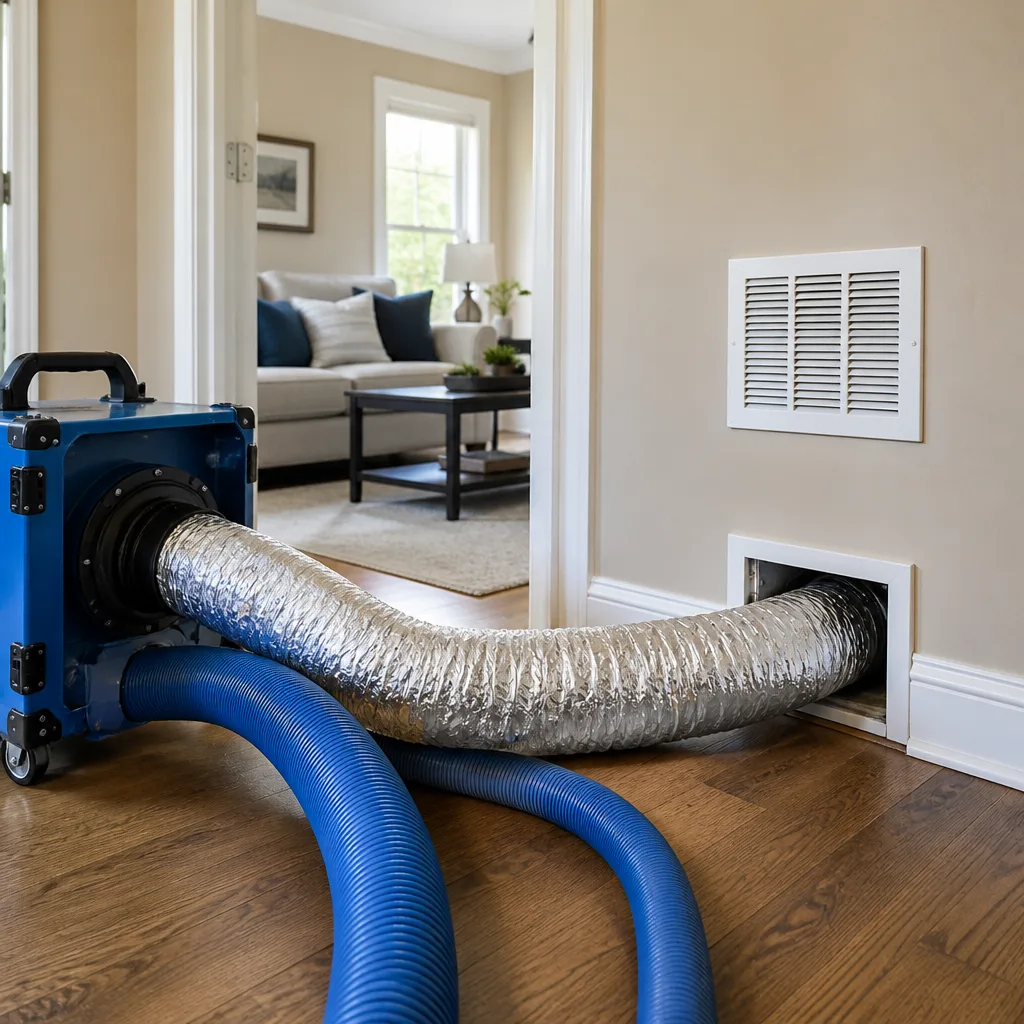 Whole-home duct cleaning
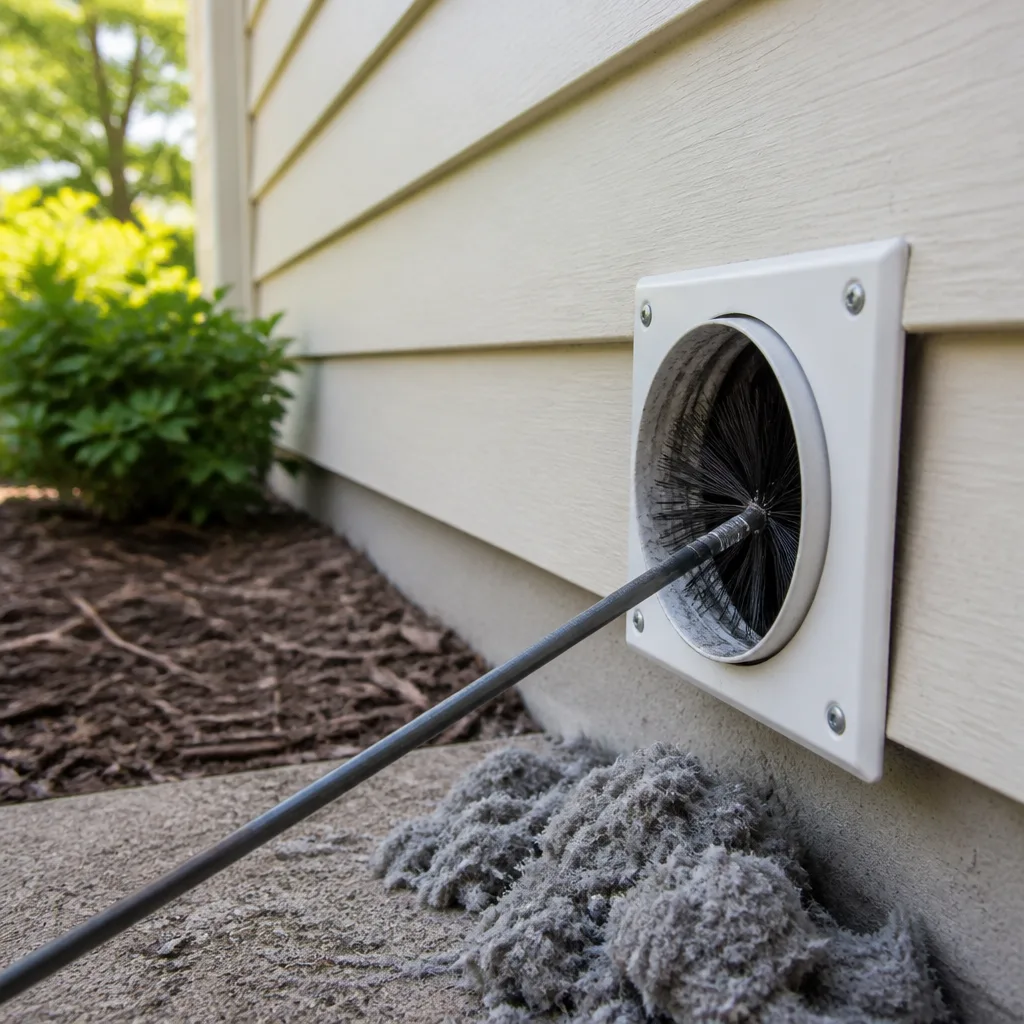 Dryer vent cleaning
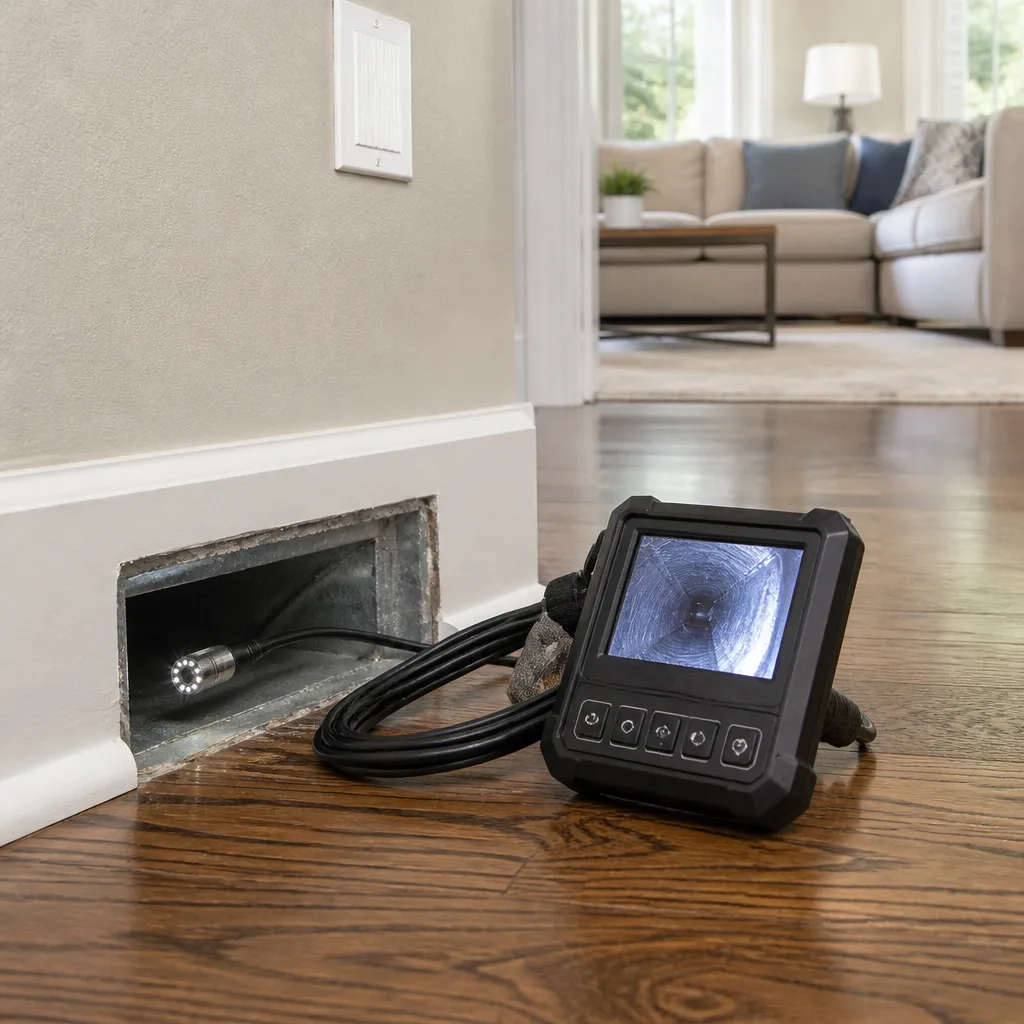 Camera inspection
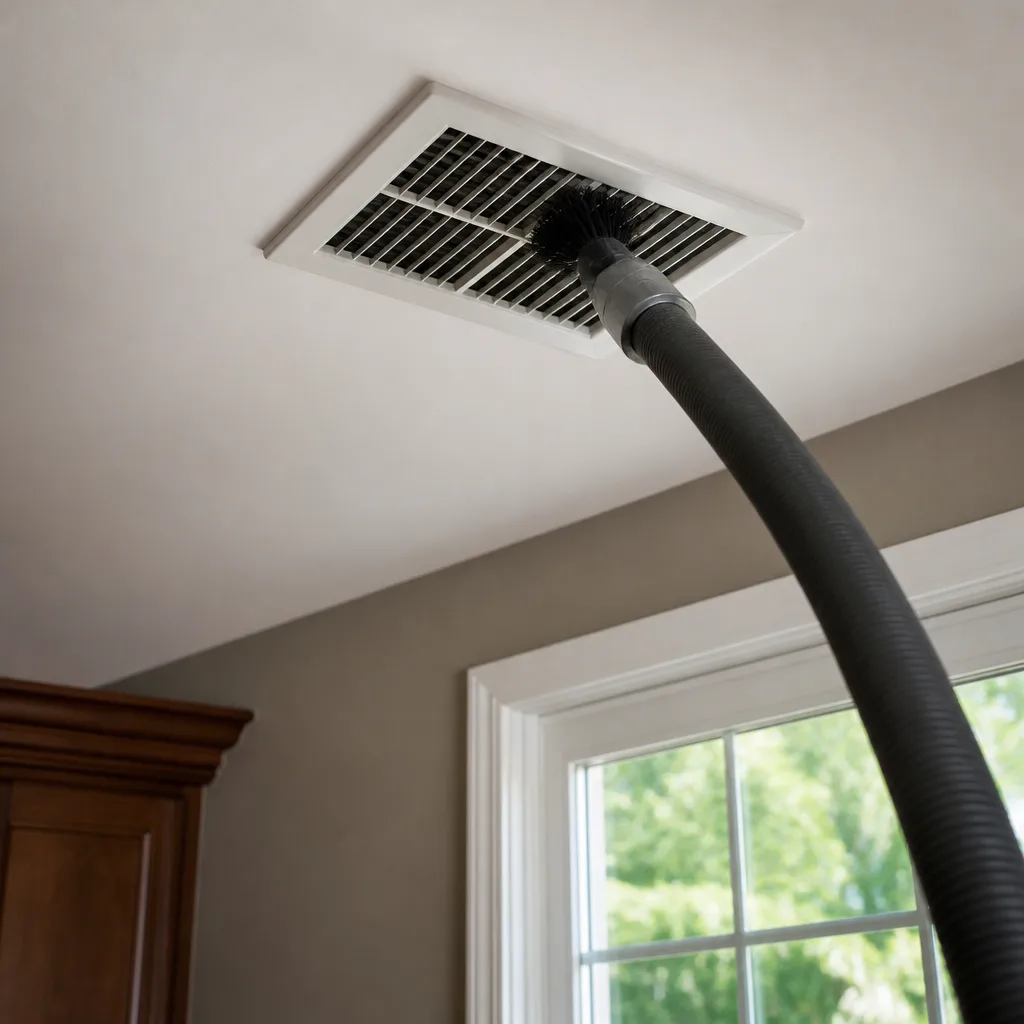 Sanitizing & deodorizing
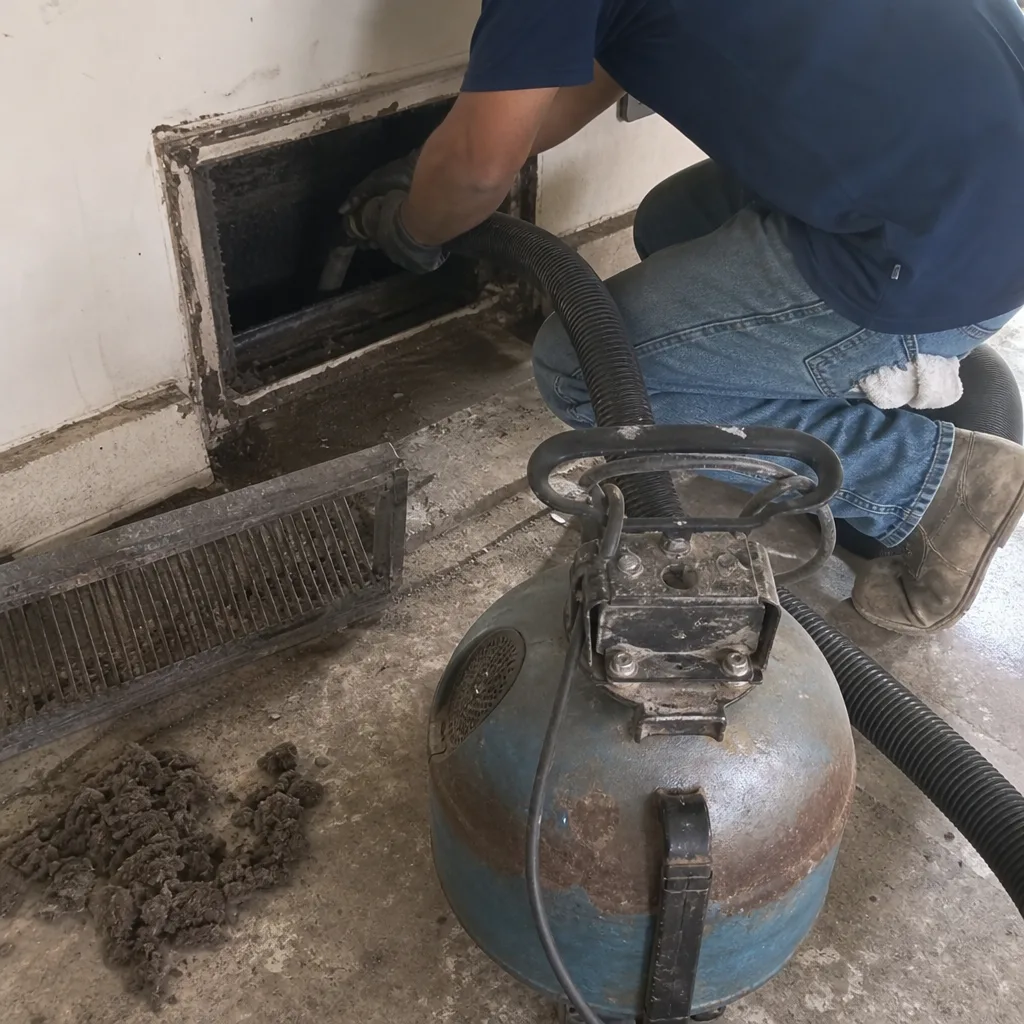
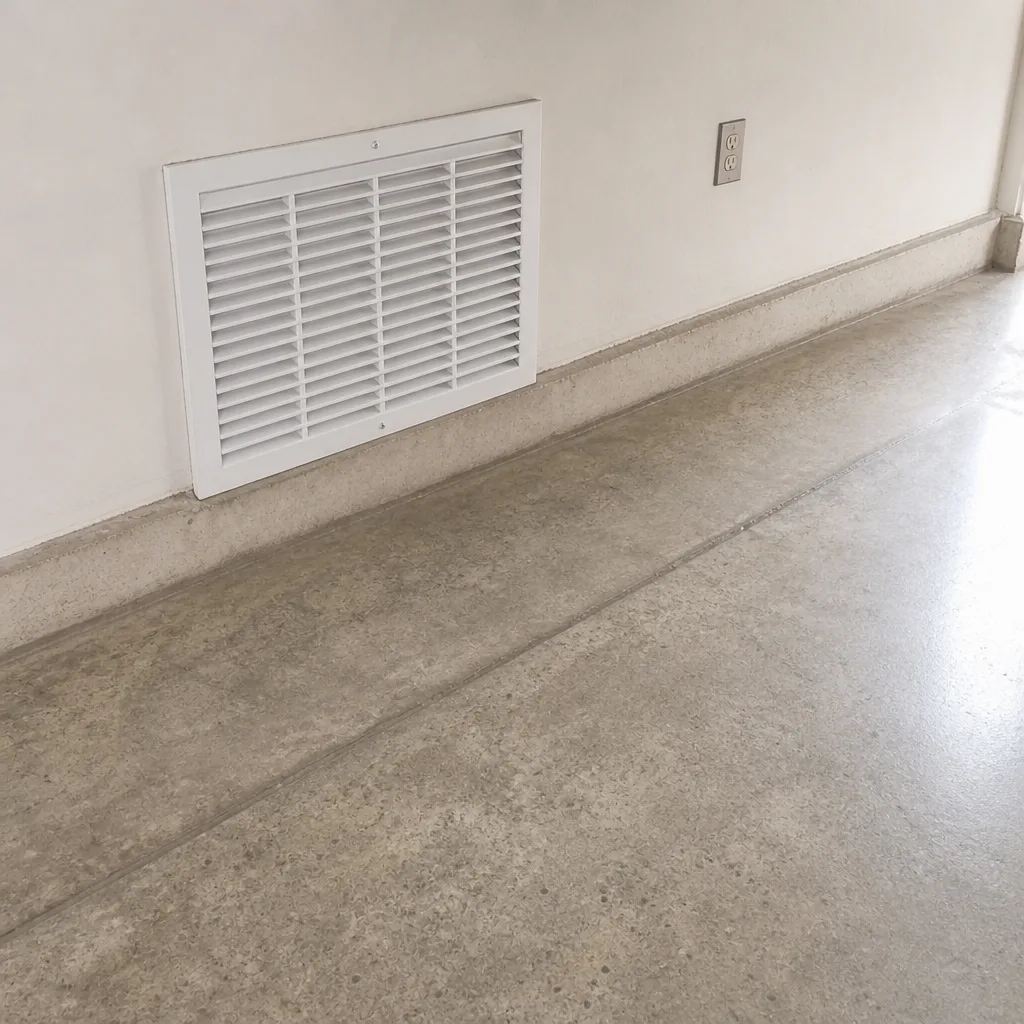
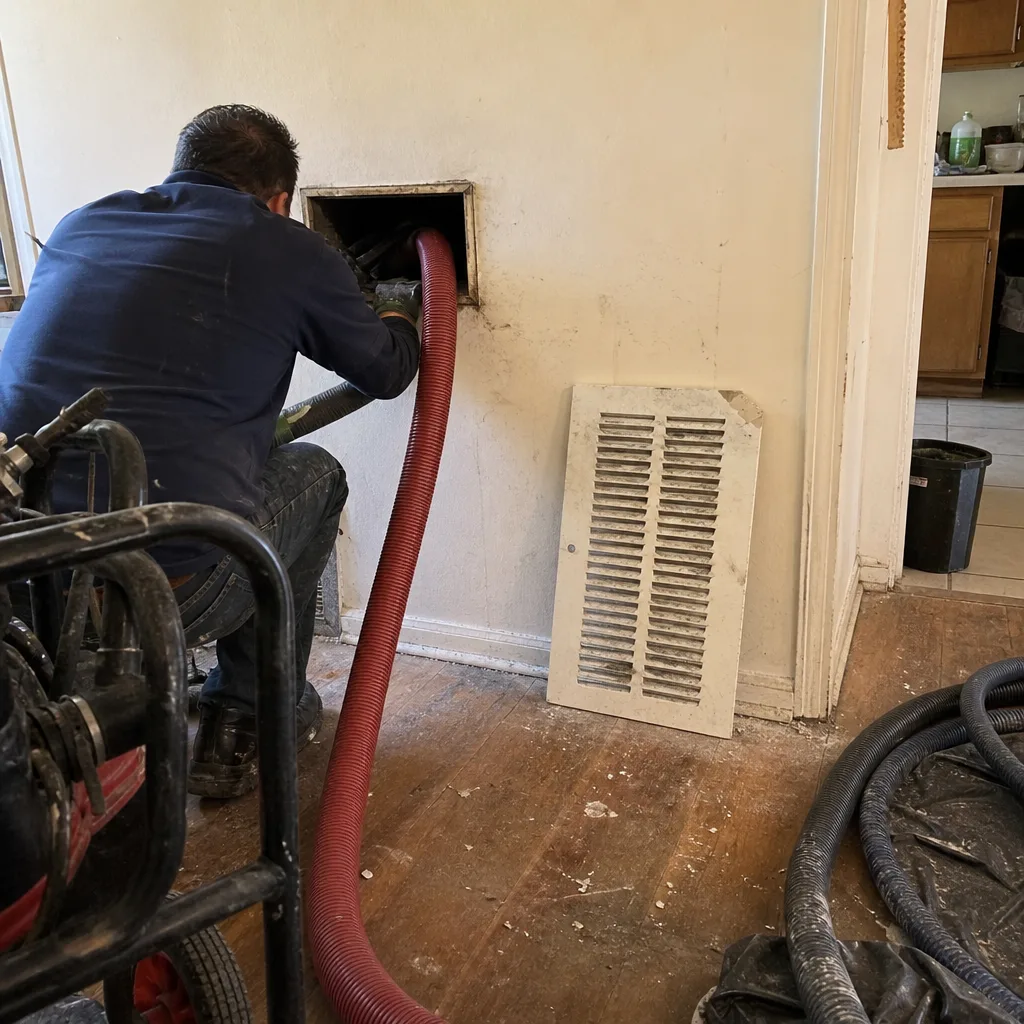
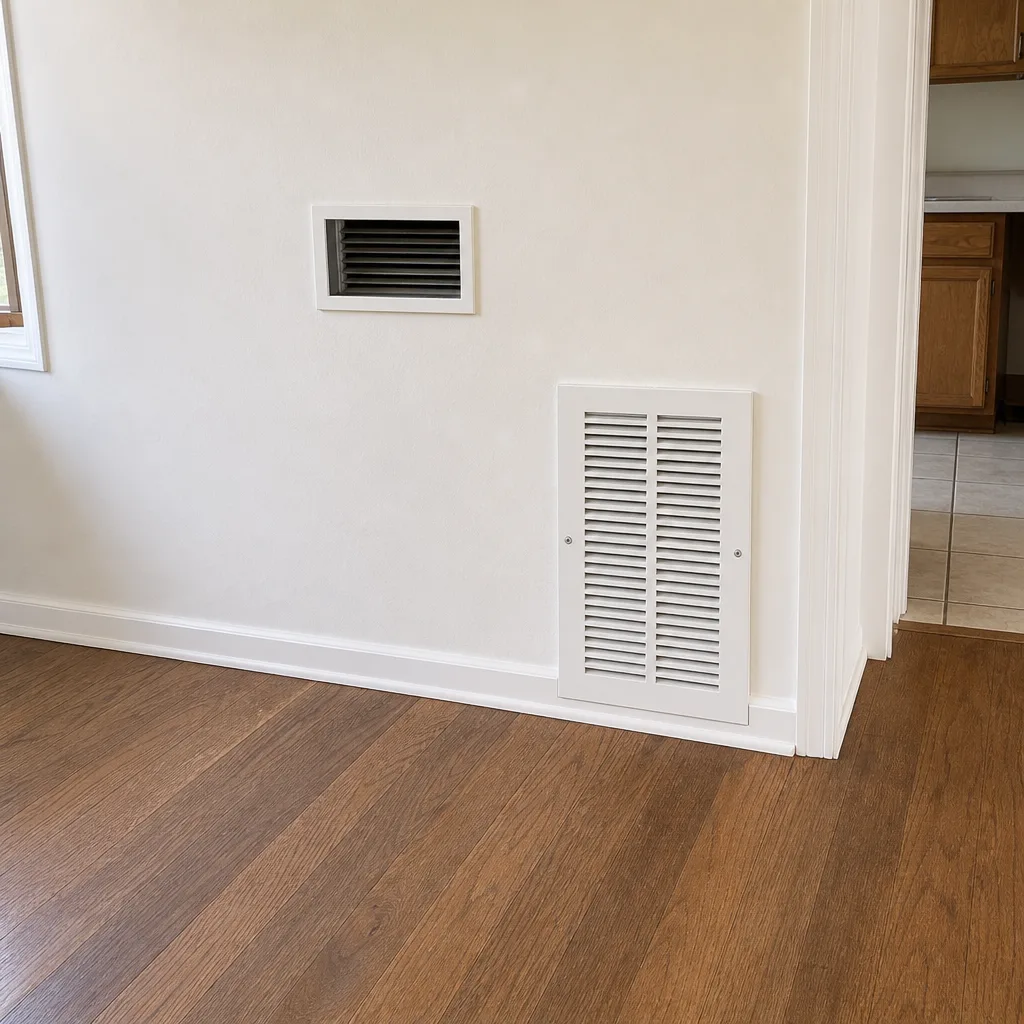
Whole-system duct and dryer vent check with before-and-after photos - you see exactly what came out of your vents
That "$99 whole-house special" is a bait ad - the real number appears once they are in your hallway, or the "clean" is a shop-vac at the register. We photograph the inside of your ducts before and after instead.
Air Duct Cleaning Warning Signs: A Garden Grove Homeowner’s Reference Guide
Visible dust blowing from your registers is a late-stage warning sign, not an early one. By the time you can see particulate matter coming out of your vents, you’ve likely been circulating contaminated air for months. The earlier indicators are quieter, and most homeowners are told they’re caused by something else entirely: the HVAC unit is getting old, it’s just allergy season, that room was always warmer than the rest. This guide walks through the performance signals, health patterns, and inspection points that show up before contamination becomes visible, with the specific context that matters in Garden Grove. You’ll learn what to check yourself, what each sign actually means, and when a routine cleaning has turned into a bigger problem.
Quick Answer
Air duct cleaning warning signs fall into three tiers. Early signs are performance-based: longer HVAC runtime, uneven room temperatures, and utility bills that climb without a change in use. Mid-stage signs are sensory and physical: musty odors at startup, buildup on register grilles, a filter that collapses or loads up fast. Late-stage signs, like visible dust or mold at the registers, mean contamination is well-established. If you’re seeing early or mid-stage signs in a Garden Grove home, a professional inspection is the right next step.
Styles & brands we work with
- Whole-home duct cleaning
- Dryer vent cleaning
- Camera inspection
- Sanitizing & deodorizing
Table of Contents
- The Quiet Performance Signals Most Homeowners Miss
- Health Patterns: Duct Contamination vs. Garden Grove Outdoor Air
- What Musty Odors at HVAC Startup Actually Mean
- A Self-Inspection Routine You Can Run Today
- Warning Signs Beyond Routine Cleaning
- Why Garden Grove Homes Accumulate Duct Debris
- Common Mistakes to Avoid
- When to Call a Professional
The Quiet Performance Signals Most Homeowners Miss
Before anything visible appears at a register, your HVAC system starts telling you that it’s working harder than it should. These are the indicators that get misread most often, because the obvious explanation (the equipment is failing) is usually the wrong one. A restricted duct system forces the blower to move the same volume of air through a smaller effective opening, and the symptoms of that restriction look a lot like an aging unit.
What to watch for
- Longer runtime. If the system used to satisfy the thermostat in ten minutes and now runs for twenty in similar weather, that’s a change worth investigating. It can point to restriction, or to a filter that’s starving the system, or both.
- Uneven room temperatures. A bedroom that runs a few degrees warmer than the living room in the same Garden Grove afternoon is a normal amount of variation. A room that’s consistently five degrees off, or that only started drifting recently, is telling you airflow is being throttled somewhere between the air handler and the register.
- Rising utility bills. If your usage habits haven’t changed and your bill has, the system is doing more work to deliver the same result. Dirty coils and restricted ducts both cause this, and both show up in a full HVAC cleaning inspection.
- Short cycling or long cycling. A system that can’t move enough air may run in awkward cycles as it hunts for the setpoint.
None of these signs proves duct contamination on its own. What they do is point you at the airflow path as the thing to check first. A technician with an airflow meter and a look at the accessible ducts can usually confirm or rule out restriction in one visit, which is faster than replacing parts on a hunch.
Health Patterns: Duct Contamination vs. Garden Grove Outdoor Air
This is where homeowners most often draw the wrong conclusion. Garden Grove sits in a basin with genuine outdoor air quality variability, and it’s easy to blame everything on the outside air. The useful question isn’t whether the air is bothering you. It’s whether the symptoms follow the outdoor air or follow your house.
How to tell them apart
- Track the timing. Symptoms that ease when you leave the house and return when you get back point to an indoor source. Symptoms that correlate with visible haze days or nearby traffic trends point outdoors.
- Notice which rooms. Outdoor air affects the whole house evenly through open windows. Duct-driven contamination often clusters around specific registers, especially in rooms at the end of a long run.
- Watch the seasons. If the pattern peaks when the HVAC is running hard and fades during the weeks the system sits idle, the air handler is part of the picture.
- Check what changed. Recent renovation, a new pet, or a roof or plumbing repair that stirred up dust can load a duct system all at once.
We’ve seen Garden Grove households spend real money on room air purifiers before realizing the supply ducts themselves were distributing the problem every time the system ran. A professional-grade inspection with Abatement Technologies equipment can tell you what’s actually in the airstream rather than what you suspect is there.
What Musty Odors at HVAC Startup Actually Mean
The musty smell that hits you in the first thirty seconds after the system kicks on is one of the most reliable early warning signs, and also the most commonly misdiagnosed. That smell at startup means the air handler is blowing across something damp and biologically active. It usually isn’t the room, and it usually isn’t your imagination.
Why startup is the tell
When the blower starts, it pushes across the evaporator coil, the drain pan, and the first stretch of ductwork before the air reaches your registers. If any of those surfaces have developed microbial growth, the first air that moves picks up the odor and delivers it straight to the room. Once the system has been running for a while, your nose adapts and the smell fades, which is why people describe it as an intermittent problem when it isn’t.
What doesn’t work
A one-time deodorizing fog or a scented filter can mask the smell for a few weeks, then it comes back because the source was never removed. The growth itself has to be physically cleaned from the coil, pan, and duct surfaces, and the underlying moisture problem has to be corrected, or the odor returns. This is why we treat sanitizing as a step that comes after mechanical cleaning, not instead of it. If the smell is coming from the duct system specifically, air duct cleaning with a professional rotary system is where the source gets addressed.
A Self-Inspection Routine You Can Run Today
You don’t need equipment to spot the mid-stage signs. A focused walk-through of your registers and air handler takes about fifteen minutes, and it gives you a much better picture to bring to a professional inspection. Here’s the routine we suggest for Garden Grove homeowners.
- Pull the grille on the register closest to the air handler. Look at the inside surface of the grille and the first few inches of the duct. Even buildup is mostly surface dust. Streaky accumulation concentrated on one face, or dark staining that follows a pattern, is worth flagging.
- Check the far registers next. End-of-run rooms tend to collect the most, because airflow is weakest there. If those registers show heavy buildup while the close ones look clean, the system’s balance is off.
- Look at your filter. A filter that has collapsed, bowed inward, or loaded up visibly in a few weeks is telling you the system is pulling dust from somewhere it shouldn’t. A filter that’s the wrong size for the slot lets unfiltered air bypass entirely.
- Shine a light into any accessible duct section behind a return grille or at a flex connection. You’re looking for debris that isn’t just dust: flakes, granules, fibers, or anything that looks like insulation breakdown.
- Open the air handler closet and look at the coil and drain pan if they’re safely accessible. Standing water, slime, or dark growth is a definite stop-and-call item.
If any of those checks turn up something you’re not sure about, photograph it and ask. It’s the fastest way to know whether you’re looking at routine maintenance or a repair situation.
Warning Signs Beyond Routine Cleaning
Some signs tell you the problem has moved past the cleaning stage. These are the ones that call for a technician, not a DIY project, and they also change what the job scope looks like.
Three signs that go beyond routine cleaning
- Visible mold at supply registers. If you can see dark growth on the grille, the diffuser, or the first stretch of duct, that’s a moisture problem as well as a contamination one. It needs to be cleaned with proper containment and the moisture source corrected, not scrubbed and forgotten. This is where air duct cleaning combined with sanitizing and an airflow check makes the difference.
- Pest evidence in the ductwork. Droppings, nesting material, or the smell of an animal that got into the system are a genuine health concern and require a full system inspection, not just a cleaning pass.
- Debris consistent with insulation breakdown. Fiberglass or duct-board particles showing up at the registers usually mean the interior liner has degraded. In that case the fix is duct repair and sealing after cleaning, so the liner stops shedding into the airstream. Cleaning alone would just uncover the same problem again.
We’ve walked into Garden Grove homes where the duct liner had been breaking down for a while and the homeowner assumed the small fiber particles were just dust. That’s the difference between a cleaning job and a repair-and-seal job, and it’s worth knowing which one you’re facing before anyone quotes you.
Why Garden Grove Homes Accumulate Duct Debris
Garden Grove sits in a mild inland climate with a long cooling season and a short, wetter winter. That pattern matters for duct health in a few specific ways.
First, the cooling system runs for most of the year. A blower that’s moving air for far more hours than it would in a colder climate is a blower that’s moving dust through the same ducts for far more hours. The system gets more exposure, not less.
Second, the wetter winter months encourage the growth conditions that produce musty odors. When the system sits idle for part of the winter, condensation inside the coil and drain pan has time to sit, and the growth starts before the next cooling season.
Third, Garden Grove’s housing stock includes a lot of older single-family homes where the ductwork was installed decades before modern sealing practices. Ducts from those eras often have gaps at the joints and connections that let unfiltered attic or crawlspace air into the system. That’s why a full job here so often includes sealing, not just cleaning.
If you’re not sure where your system sits in that picture, an inspection is the honest starting point. We can document what the accessible ducts look like and tell you what the next step is. That’s what we mean when we say clean ducts are only part of the job. We repair, seal, and sanitize so the system stays clean, and a professional-grade system like Rotobrush or Nikro lets us do that cleaning in a way that a shop vac simply can’t match.
Common Mistakes to Avoid
- Waiting for visible dust before checking anything. Visible particulate is the last sign to appear, not the first. If you wait for it, you’ve been circulating contaminated air for a while, and the performance symptoms were there all along.
- Treating a musty odor with a scented product. Odor at startup is a biological signal. A deodorizing fog that isn’t paired with mechanical cleaning just masks it until the growth reasserts itself, and by then the source has had more time to spread.
- Assuming a higher utility bill is just the rate increase. Rate changes happen. But if your usage is flat and the bill has moved, look at airflow before anything else. A restricted system is a real cause and a fixable one.
- Putting in a denser filter hoping it will “fix” the air. A filter that’s too restrictive for your system’s blower can actually starve the airflow, which causes the same symptoms you were trying to solve. Match the filter to the system, and consider Honeywell or Aprilaire filtration if you want a documented upgrade.
- Hiring the cheapest quote without asking what equipment gets used. A truck-mounted shop vac is not a duct cleaning system. Ask what brand and model gets used, and ask to see before-and-after photos of your own ducts. Any honest operator will welcome the question.
- Skipping the dryer vent because it “still works.” Dryer vent cleaning addresses a fire risk that has nothing to do with duct cleanliness and everything to do with lint accumulation. It’s a separate service with its own inspection points, and it’s one of the most overlooked tasks in a Garden Grove home.
- Assuming cleaning alone will solve a liner problem. If the duct interior has degraded insulation, cleaning uncovers the problem but doesn’t fix it. Repair and sealing comes after, or the same contamination returns.
When to Call a Professional
Call a professional when you’ve spotted any of these: visible mold or dark staining at a register, pest evidence inside the ductwork, musty odor that returns after the system runs, a filter that loads up or collapses quickly, or performance symptoms that persist after you’ve checked the filter and basic airflow. You should also call if you’re in a home that’s just been through a major renovation, or if anyone in the household has asthma or significant allergies and the pattern is worsening.
Garden Grove Air Duct Cleaning Pros offers free estimates in Garden Grove. Call (833) 382-8410. We answer 24/7. Fast dispatch from 7am to 7pm, Sunday through Friday. Technicians will document what they find, walk you through the scope, and set one flat price per system before any work begins.
See the difference
 Before
 After
 Before
 After
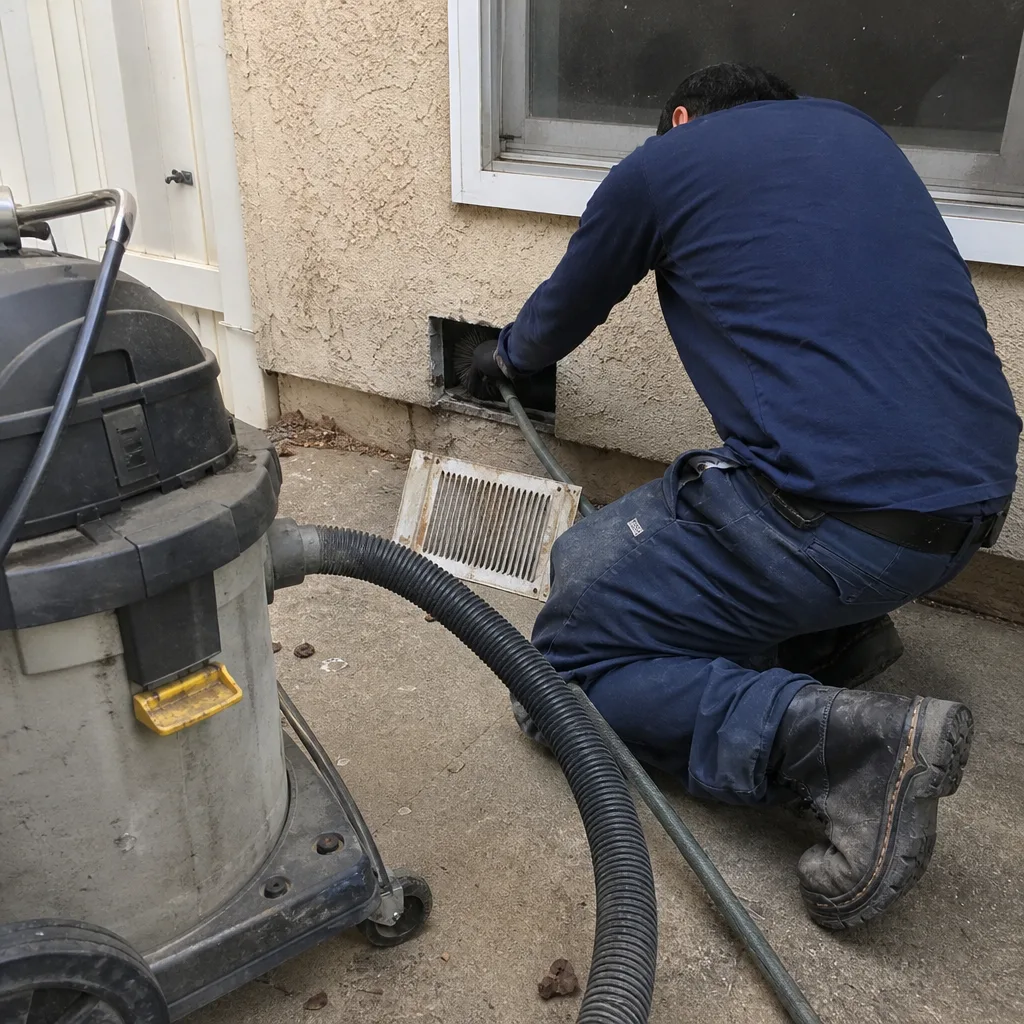 Before
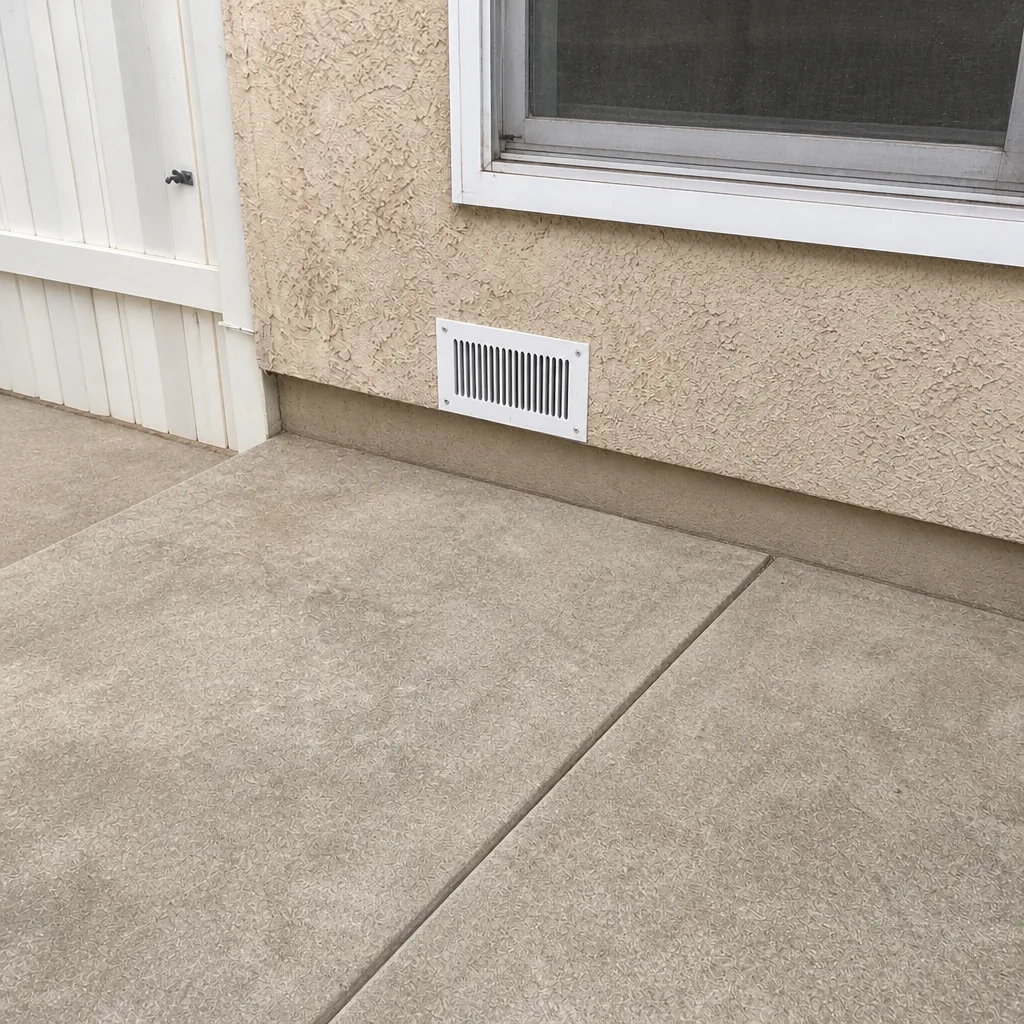 After
Frequently Asked Questions
Most whole-system duct cleaning in Garden Grove falls into a range rather than a fixed number, because the price depends on the size of the system, how many runs are accessible, and whether repair or sealing is needed. We set one flat price per system after an inspection, in writing, before work begins. Call (833) 382-8410 for an exact quote. Estimates are free.
Cheap quotes usually reflect cheap equipment. A truck-mounted shop vac isn’t a duct cleaning system, and a low bid often skips the tools that reach the full length of the duct run. We use Rotobrush and Nikro professional-grade systems designed for this work, plus Abatement Technologies equipment for contaminant-level remediation, and we show before-and-after photos of your own ducts so you know what got done. Call (833) 382-8410 to schedule an inspection.
Ask for before-and-after photos of your own ducts, taken at the accessible registers and at the air handler. Ask what equipment was used, by name. A professional operation will walk you through what was found, what was done, and what your air quality looks like now. Call (833) 382-8410 to set up an inspection with that level of documentation.
Duct cleaning frequency depends on the home. Households with pets, allergy sufferers, recent renovation, or an older system with unsealed joints often benefit from more frequent cleaning than a low-dust home with a tight, well-sealed system. Garden Grove’s long cooling season means more blower hours than in cooler climates, which is one reason we suggest inspection rather than a fixed calendar. Call (833) 382-8410 and we’ll help you figure out the right interval for your home.
A musty smell at HVAC startup is rarely just the filter. The smell usually means the blower is pushing across a damp, biologically active surface in the coil, drain pan, or first stretch of duct. A one-time deodorizer doesn’t fix that. Mechanical cleaning plus correcting the moisture source does. Call (833) 382-8410 for an inspection.
Duct cleaning focuses on the duct runs and the supply and return path. HVAC cleaning covers the air handler itself: the evaporator coil, drain pan, blower assembly, and cabinet. Most full-system jobs include both, because cleaning the ducts without the coil and pan leaves the source in place. Call (833) 382-8410 to discuss what your system needs.
The Bottom Line
The warning signs that matter most are the ones you can’t see: runtime that stretches out, rooms that drift, bills that climb, and odor that appears at every startup. Visible dust and mold are the end of the story, not the beginning. If any of the performance or sensory signals in this guide match your Garden Grove home, treat them as a reason to inspect, not a reason to worry. A documented inspection with professional-grade equipment tells you exactly what’s happening in your system. We connect you with vetted local professionals who work through the full duct lifecycle, from cleaning to repair, sealing, sanitizing, and dryer vent service, so the fix addresses the source instead of the symptom. To get started, see Garden Grove Air Duct Cleaning Pros or call (833) 382-8410 for a free estimate.
Written by the team at Garden Grove Air Duct Cleaning Pros.