
Last updated November 24, 2026
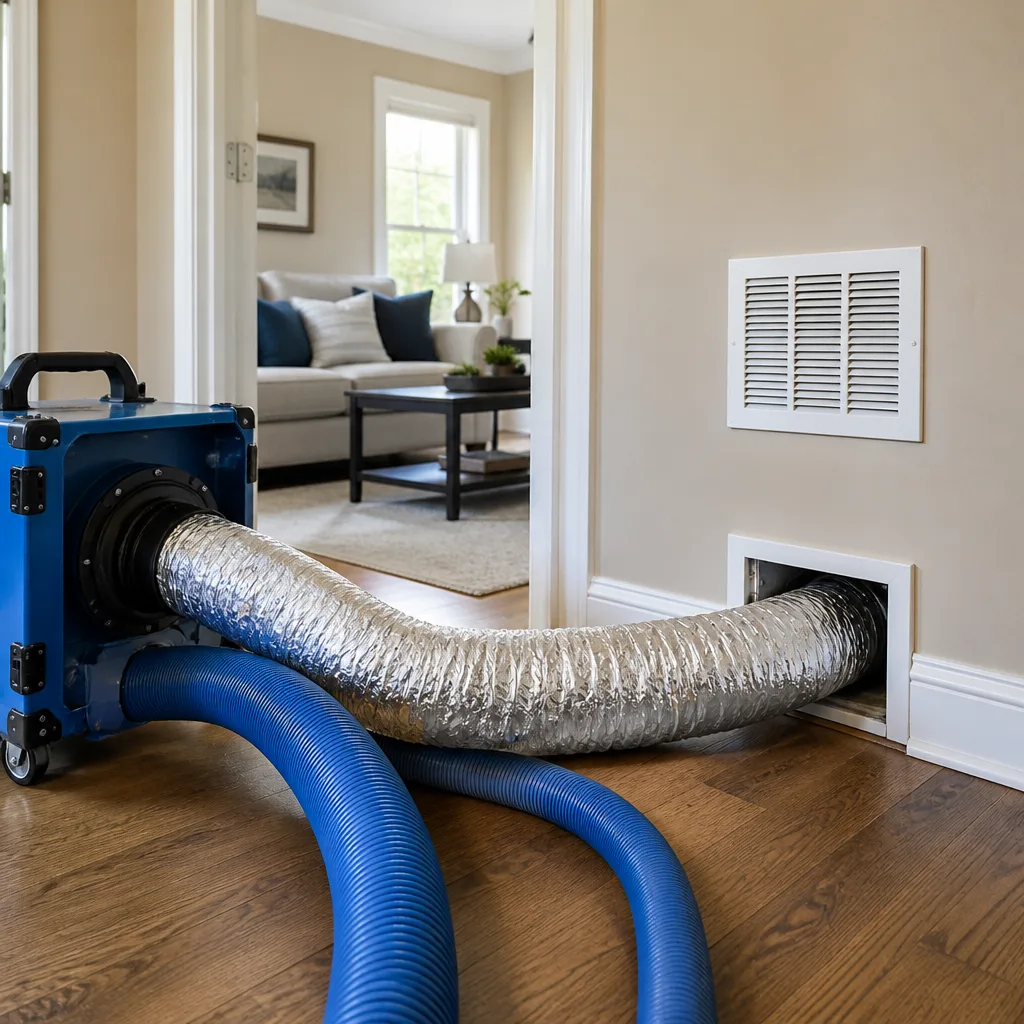 Whole-home duct cleaning
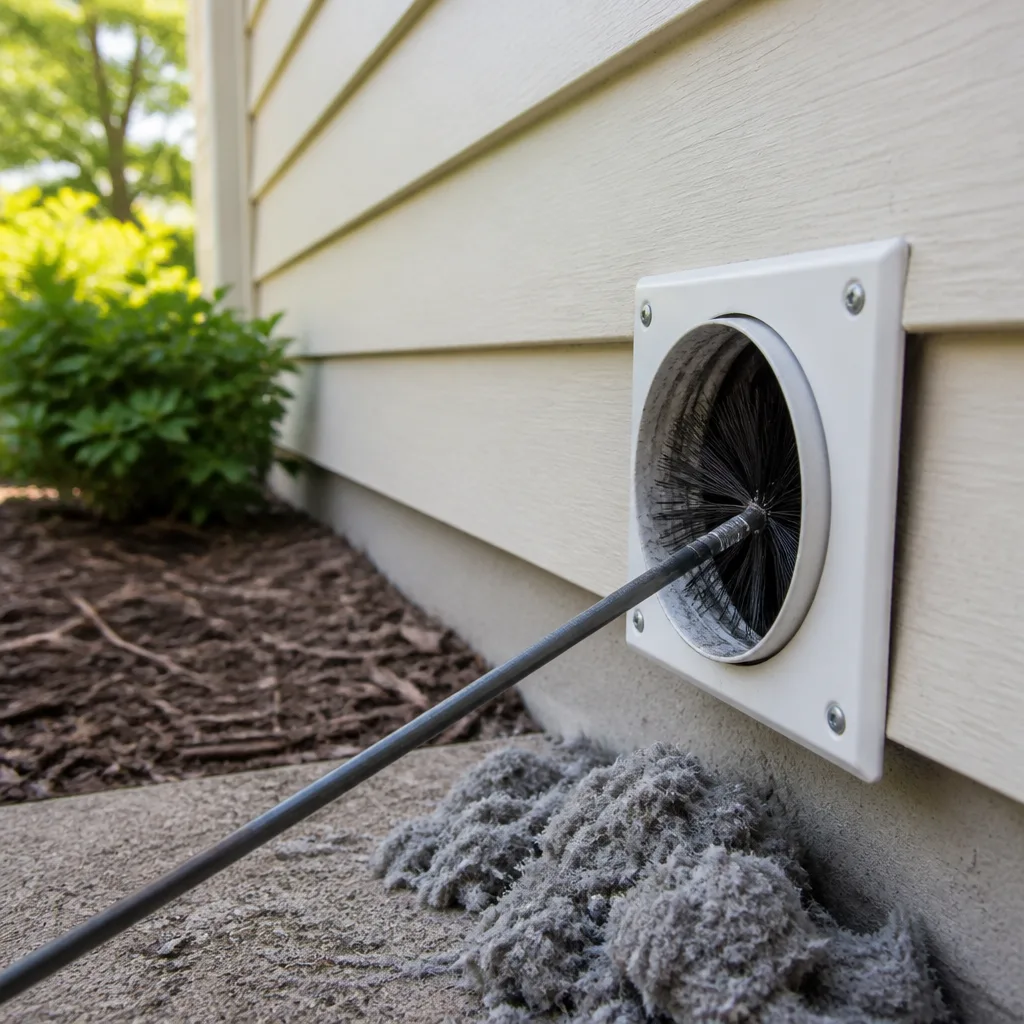 Dryer vent cleaning
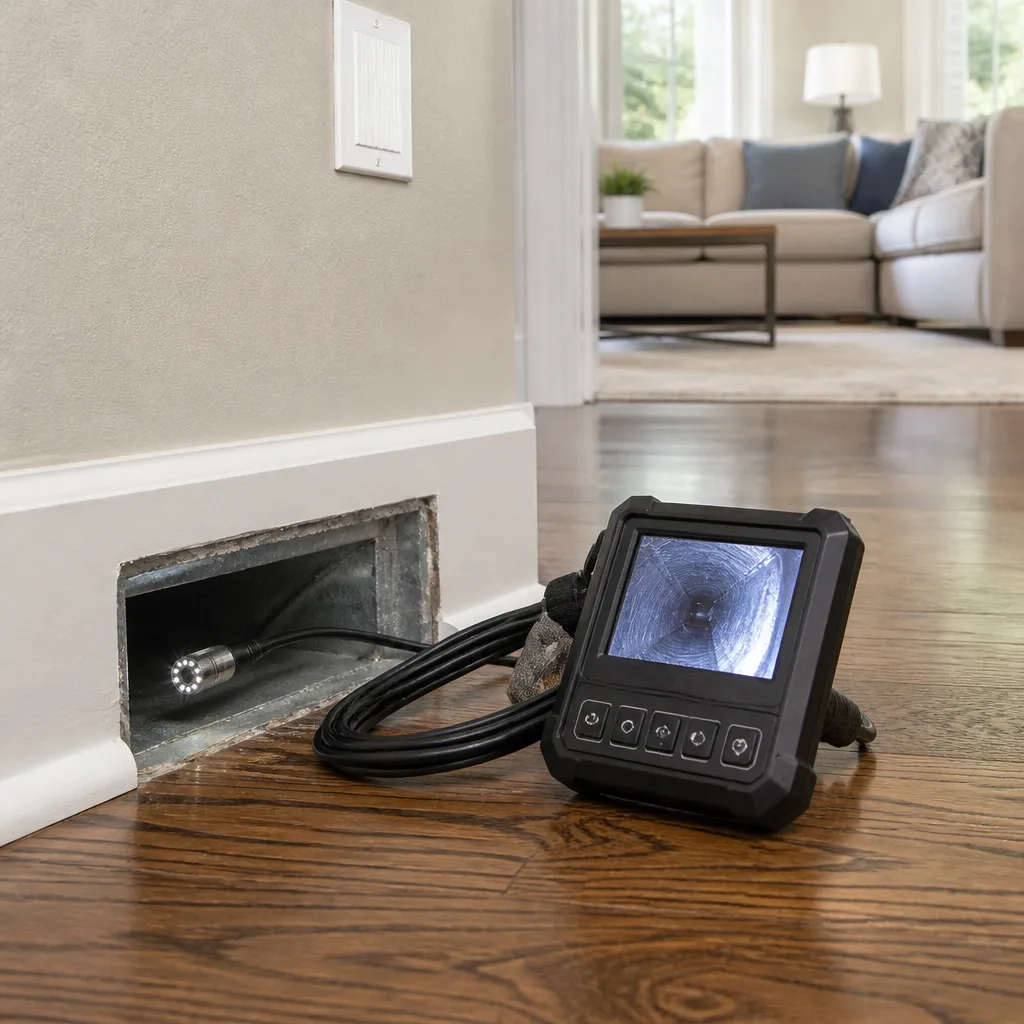 Camera inspection
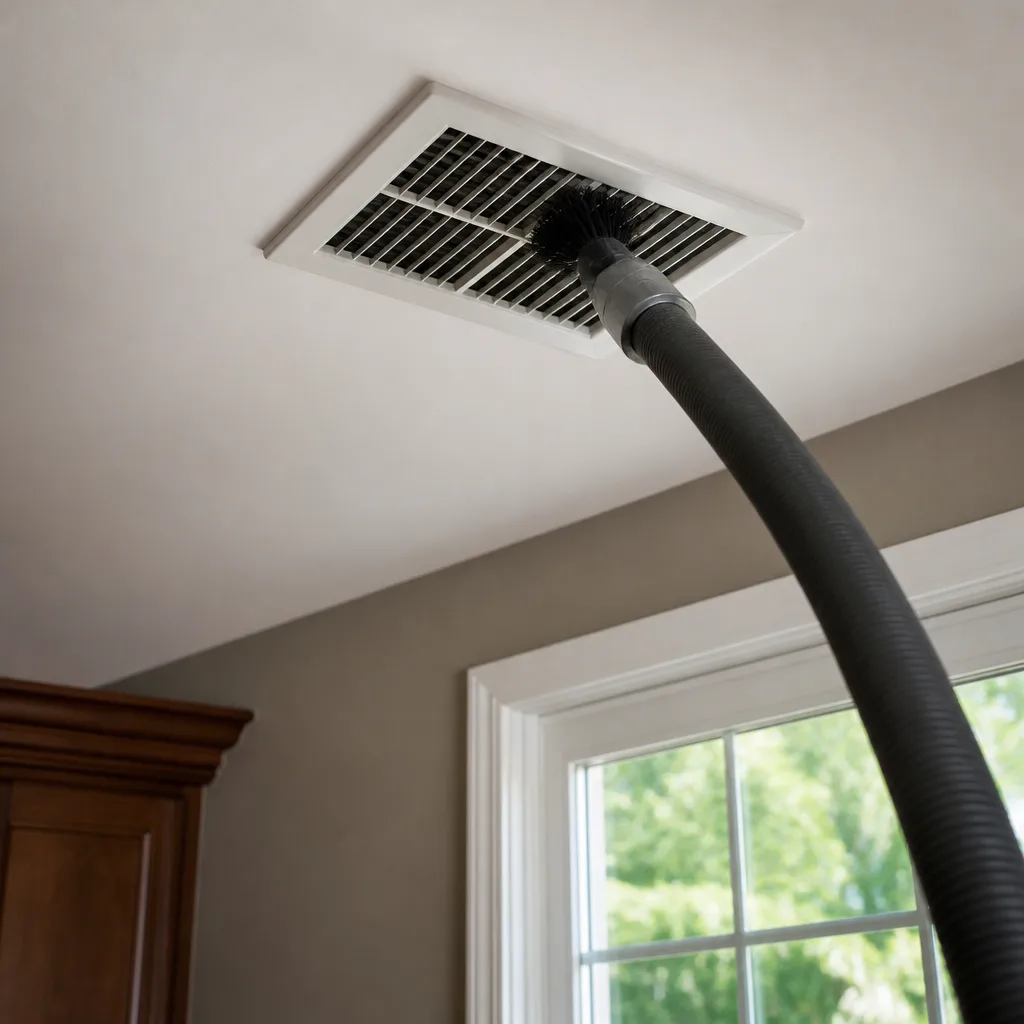 Sanitizing & deodorizing
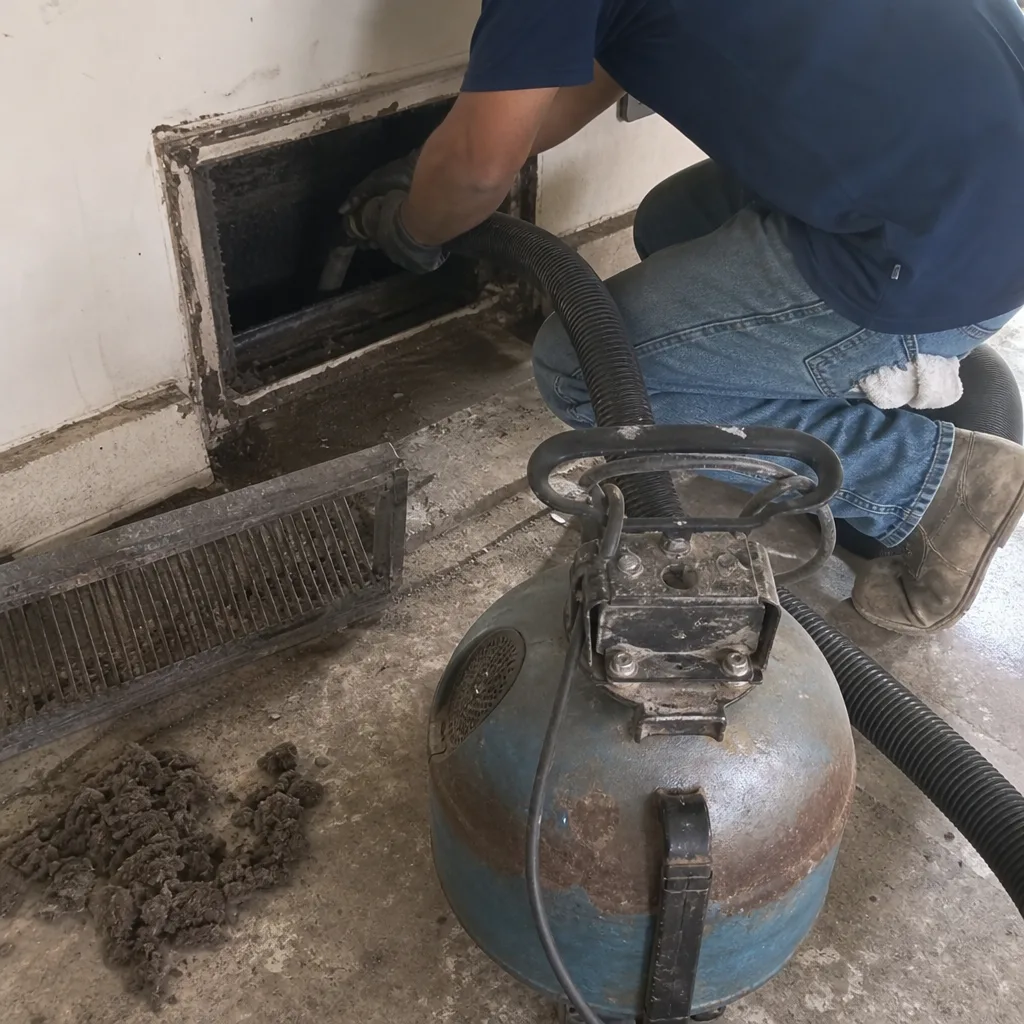
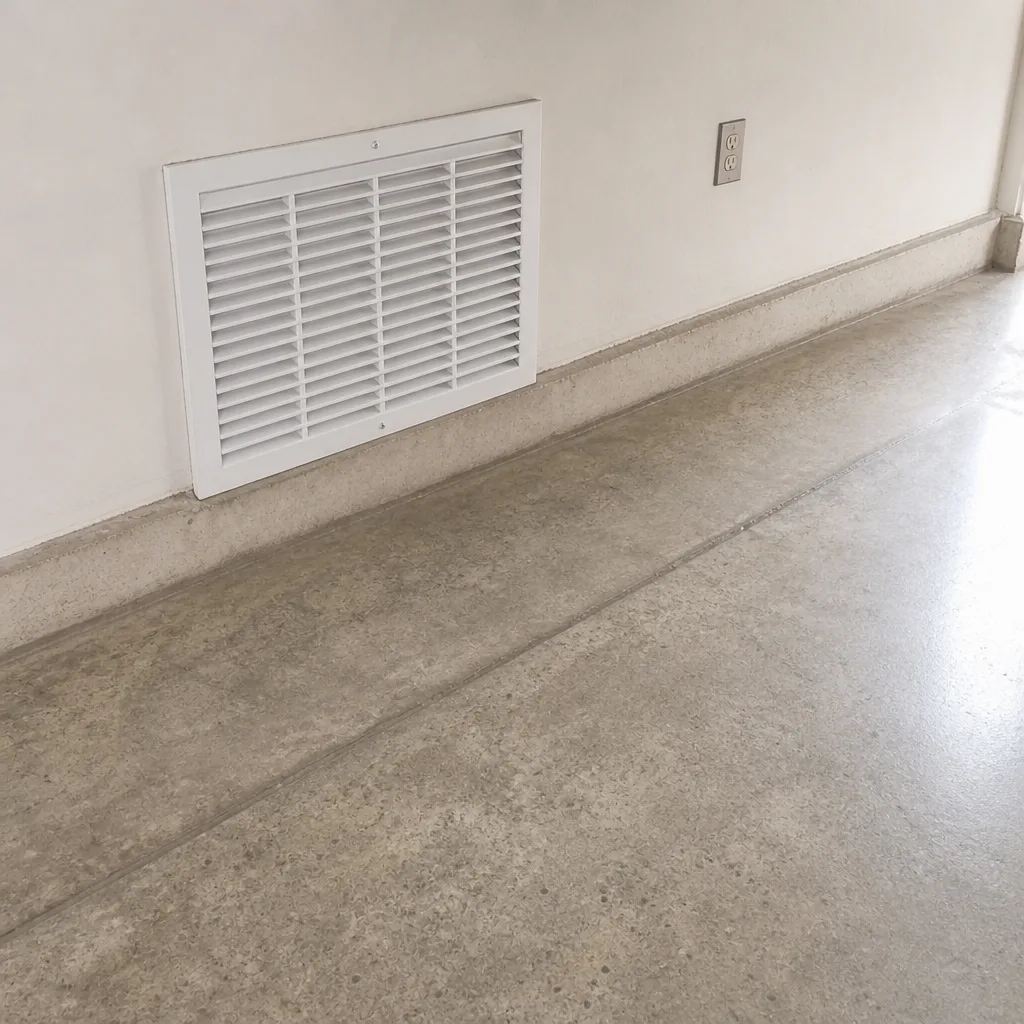
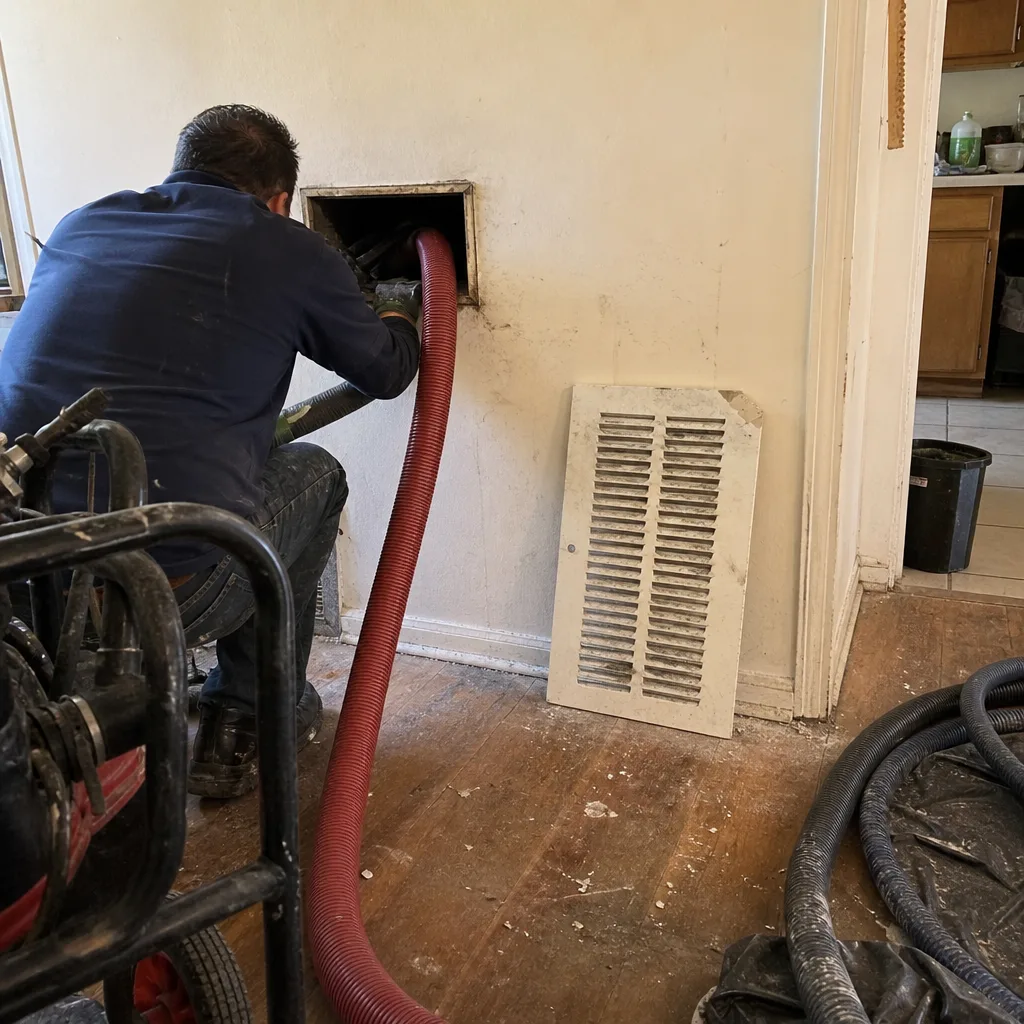
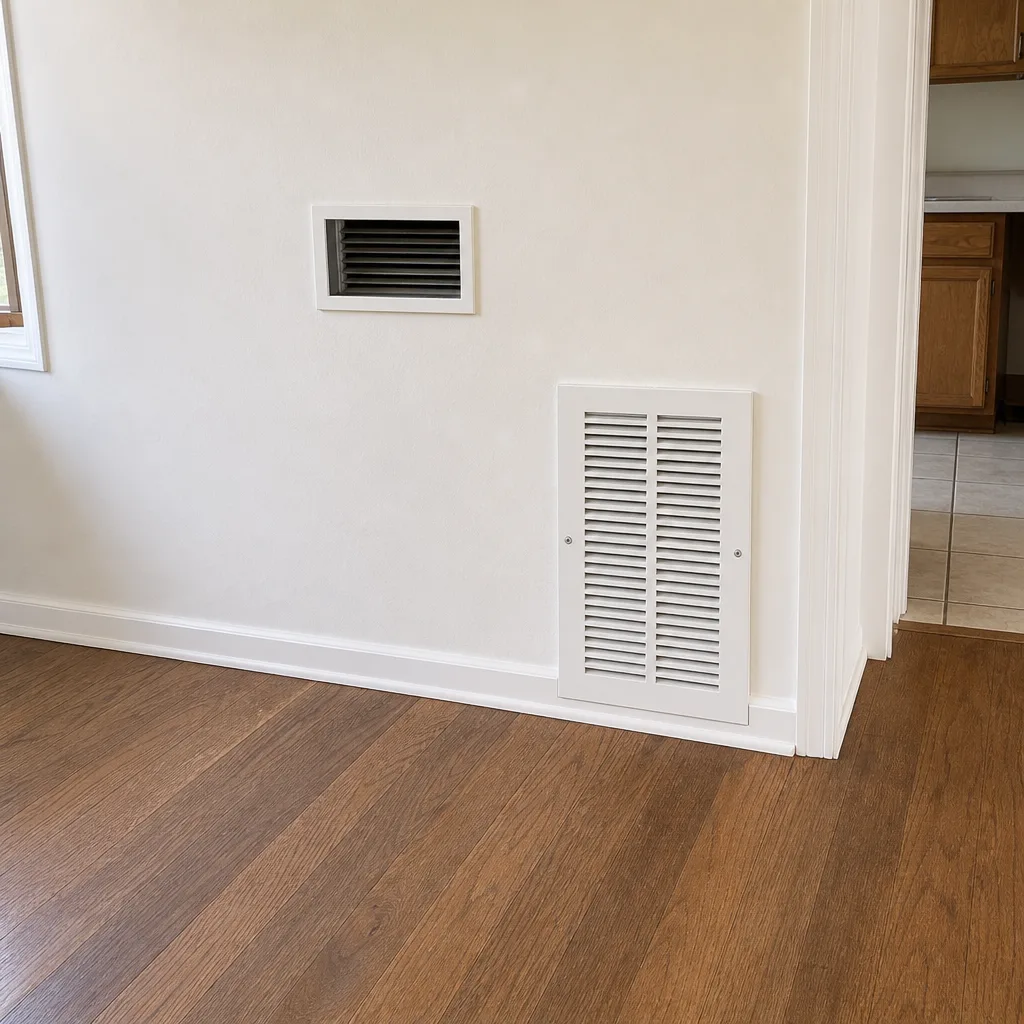
Whole-system duct and dryer vent check with before-and-after photos - you see exactly what came out of your vents
That "$99 whole-house special" is a bait ad - the real number appears once they are in your hallway, or the "clean" is a shop-vac at the register. We photograph the inside of your ducts before and after instead.
Seasonal Air Duct Cleaning Care for Garden Grove: Year-Round Homeowner’s Guide
Most seasonal HVAC guides tell you to service your system in spring and fall. Garden Grove doesn’t really have a fall in the traditional sense. What it has is Santa Ana season, running roughly October through February, when dry offshore winds push fine particulate matter straight into running HVAC systems at the exact moment residents have their windows shut and air handlers cycling continuously. The calendar that works in Ohio or Colorado doesn’t fit here. This guide replaces the standard four-season framework with one built around Garden Grove’s actual air quality events: June Gloom humidity, Santa Ana wind windows, summer wildfire smoke, and the mold risk that shows up after the first real rain. You’ll learn what happens to your ducts in each of those periods, when professional cleaning makes the most sense, and what to do in between.
Quick Answer
Air ducts in Garden Grove need attention on a Southern California schedule, not a four-season one: a deep cleaning in late spring before wildfire smoke season, an inspection after any significant Santa Ana event, and a check for moisture and mold risk once the first fall or winter rains pass. Between professional cleanings, the single most effective step is running a properly rated filter, because the wrong filter during a Santa Ana wind event does more harm than good.
Styles & brands we work with
- Whole-home duct cleaning
- Dryer vent cleaning
- Camera inspection
- Sanitizing & deodorizing
Table of Contents
- Why the Standard Seasonal Calendar Fails in Garden Grove
- June Gloom: Humidity, Condensation, and Duct Insulation
- Santa Ana Season: Fine Particulate and Your Running System
- Summer Wildfire Smoke: The Filter Question
- Post-Rain Windows: Mold Risk in Attic Ductwork
- The Marine Layer Effect on Attic-Mounted Systems
- Optimal Timing Windows for Professional Cleaning
- Interim Homeowner Steps Season by Season
Why the Standard Seasonal Calendar Fails in Garden Grove
Walk into any home improvement store in Garden Grove in early spring and you’ll find the same endcap display: furnace tune-up, duct cleaning reminder, “get ready for summer” checklist. That calendar was designed for a climate with four distinct seasons and a hard winter. Garden Grove has two real seasons, wet and dry, plus a handful of air quality events that don’t show up on a generic maintenance sheet at all.
The practical problem is that duct contamination here accumulates on a different rhythm. In colder climates, the heaviest debris loading happens in heating season, when the furnace runs for months and pulls combustion byproducts and dust through the return side. Here, the system runs for cooling far more than heating, and the heaviest contamination periods line up with specific weather patterns rather than a single heating season.
Three local factors drive that difference:
- Wind events, not cold snaps, load the system. Santa Ana winds carry dust, ash, and fine particulate that get drawn into return grilles when the air handler is running.
- Humidity arrives in a narrow window. June Gloom brings weeks of cool, damp morning air that can condense inside attic ductwork before the afternoon sun dries it out.
- Smoke season overlaps with peak cooling demand. When wildfire smoke blankets the region in late summer and early fall, Garden Grove homes are often running the AC with windows shut, circulating whatever the filter lets through.
Understanding these three patterns is the difference between maintaining your system on a schedule that fits Garden Grove and one that just checks a box.
June Gloom: Humidity, Condensation, and Duct Insulation
June Gloom is the stretch of late spring and early summer when a persistent marine layer keeps mornings cool, gray, and damp across Garden Grove, with the sun often not breaking through until midday or later. For homeowners, it’s mild and comfortable. For attic-mounted flexible ductwork, it’s the trickiest window of the year.
Here’s what happens. The insulated flex duct running through your attic cools down overnight as the system runs or sits idle in cool air. When the marine layer pushes moisture-laden air into the attic in the early morning, condensation can form on the outer jacket of the duct if the insulation has been compromised. A tear in the outer vapor barrier, a sagging run, or a section of duct that’s been pinched during a previous repair all create spots where moisture collects rather than disperses.
Over a single June that’s manageable. Over several consecutive springs, it isn’t. Repeated condensation cycling on compromised insulation is one of the more common ways fiberglass duct liner loses its integrity in this climate. The liner gets damp, the internal surface roughens, and debris starts clinging to it instead of passing through. Once that happens, cleaning alone won’t fully restore airflow, because the liner itself has degraded.
What to inspect during June Gloom
- Look at the accessible duct runs in the attic for stains, sagging sections, or visible dark patches on the outer jacket.
- Check the duct connections at the air handler and at each register boot for gaps where moisture can enter.
- Smell the air at the return grille on a damp morning; a musty odor is the clearest early signal that moisture has taken hold somewhere in the system.
- Confirm the attic ventilation is functioning, since trapped humid air extends the condensation window.
If the ducts are sound, a June inspection is quick. If they aren’t, this is the right time of year to address Garden Grove Air Duct Cleaning Pros repair and sealing work before the damp cycle repeats. A compromised liner caught in late spring can often be repaired. One that’s been cycling moisture for years usually can’t.
Santa Ana Season: Fine Particulate and Your Running System
Santa Ana winds run roughly October through February across Garden Grove, and they do something to your HVAC system that a spring cleaning checklist never mentions. They push a steady stream of fine dust, dry organic material, and ash into outdoor air, and if the air handler is running while that’s happening, the system is drawing it in through the returns.
The critical detail is filter efficiency. A standard pleated filter at a low MERV rating catches the larger debris but lets fine particulate pass straight through to the coil and the ducts. During a Santa Ana event, that means the system is effectively pumping fine material into the ductwork for days at a time. It deposits on the interior duct surface, coats the evaporator coil, and settles into the blower housing. None of it comes out on its own.
What to do during and immediately after a Santa Ana event
- Upgrade the filter before the season starts, not during an event. A high-MERV filter that’s properly sized to your system’s airflow will catch a meaningful share of fine particulate that a basic filter misses. The wrong filter rating, though, can choke airflow, so match it to the equipment.
- Run the system, don’t shut it down. A running system with a good filter is actively cleaning the indoor air. Cutting the system off during a wind event just means the particulate settles indoors.
- Inspect the filter every few days during a wind event. Santa Ana conditions load a filter faster than normal operation.
- Book an inspection after the event, not months later. The material that made it past the filter has already settled. Inspecting within a few weeks of the event catches it before it bonds to the duct surface or accumulates on the coil.
In our experience, the homes that need the heaviest duct cleaning are often the ones that ran continuously through a windy event using a low-end filter. That combination is what loads a system. A high-MERV filter and a post-event inspection cover the gap that a generic spring cleaning appointment would miss entirely.
Summer Wildfire Smoke: The Filter Question
Wildfire smoke seasons vary year to year, but when smoke events hit Southern California in summer and early fall, Garden Grove homes see elevated fine particulate in outdoor air for stretches of days. That smoke finds its way into homes through open windows, door gaps, and HVAC intake, and it concentrates in the duct system if the filter isn’t up to the job.
The most useful upgrade in this window isn’t duct cleaning, it’s filtration. A cleaning removes what’s already deposited, but filtration is what stops new smoke particulate from loading the system in the first place. That’s why professional-grade filtration products matter in the same conversation as duct cleaning. Honeywell and Aprilaire filter and purification equipment, properly sized to your system, changes what the equipment can actually do during a smoke event. It also gives you something measurable to compare against after a cleaning, since filter loading and airflow become an ongoing check rather than an annual guess.
The right way to manage a smoke event
- Keep windows and doors closed and let the HVAC system run with a high-MERV filter in place.
- Run the system fan on continuous low speed if the equipment allows it, to keep filtering around the clock rather than only during cooling cycles.
- Do not open windows “to air the house out” during a smoke event; it loads interior air faster than any filter can clear it.
- After the smoke clears, check the filter. If it’s gray and heavy, the system was working, and it’s worth inspecting the coil and duct interior.
Late summer is also the smartest window for scheduling a professional cleaning, because it clears the system right before peak smoke exposure. Cleaning in July means the ducts are clear when August and September smoke arrives. Cleaning in October means the system has already run the worst of the season loaded.
Post-Rain Windows: Mold Risk in Attic Ductwork
Garden Grove’s rain comes in concentrated bursts from late fall through early spring. Once the rain passes, there’s a narrow window, usually a few days to a couple of weeks, where the highest mold risk exists. That’s because wet weather often drives homeowners to shut the house up tight, humidity rises indoors, and any existing moisture problem in the attic or ductwork has a stretch of days to develop before ventilation and dry air return.
Mold spores are already everywhere in outdoor air, so the question isn’t whether they exist in a home. It’s whether they have moisture and a food source. Contaminated fiberglass duct liner provides both: dust and organic debris make the food source, and condensation or a small leak provides the water. A duct system that’s healthy dries out quickly after rain. One that has compromised insulation or a small leak stays damp long enough for growth to establish.
What to look for in the first weeks after rain
- A musty smell near returns or registers that wasn’t there before the rain.
- Visible staining or darkening on the exterior of attic duct runs.
- Condensation on the air handler cabinet or on the duct jacket.
- Any new water stain on the attic ceiling or floor, which usually means a roof or attic moisture issue rather than a duct issue, but affects ducts when it settles nearby.
If you find any of these, the next step isn’t cleaning, it’s a professional inspection. A sanitizing treatment applied on top of an active moisture problem just masks the symptom. Professional cleaning with professional-grade equipment like Abatement Technologies, followed by a sanitizing treatment on a dry, stable system, is what resolves the underlying issue. Our air duct cleaning service covers the full system, including the coil and the blower, because mold contamination that’s visible at the register usually extends deeper into the system.
The Marine Layer Effect on Attic-Mounted Systems
Most Garden Grove homes have flexible ductwork running through the attic, and that placement exposes it to the marine layer cycle in a way that interior ducted systems don’t experience. The marine layer brings cool, damp air into the attic overnight and in the morning, then the sun breaks through and the attic heats up rapidly. That daily swing is what stresses duct insulation, sometimes by 30 to 40 degrees between morning and afternoon in the summer months.
The cycling effect matters over multi-year periods, not over a single season. Each cycle is small. Accumulated over consecutive springs and summers, the expanding and contracting air inside the duct insulation layer can work at seams, joints, and any spot where the outer jacket is already compromised. Sagging sections, which are common when duct runs are longer than the installer needed, collect moisture and start to lose shape. Once a duct jacket is compromised, the insulation gets wet, and the fiberglass liner inside begins to degrade.
Why this affects cleaning complexity
A duct system with intact liner cleans out cleanly with professional equipment. A system where the liner has broken down needs a different response: the compromised section has to be addressed, not just cleaned. Our technicians run into this pattern regularly in older Garden Grove homes where the ductwork was originally installed when the house was built and has cycled through many marine layer seasons with no inspection since.
The clearest sign is airflow at the registers. If some rooms feel weaker than they once did, or if the system has to run longer than it used to, restricted or collapsed duct sections are worth ruling out before assuming the compressor or blower is the problem. Our repair and sealing work is designed to close the loop on duct cleaning, so a cleaned system doesn’t leak conditioned air back into the attic or draw fresh contamination in through gaps.
Optimal Timing Windows for Professional Cleaning
Professional duct cleaning is worth doing on a rolling schedule in Garden Grove, but if you’re choosing a single window, there are two that stand out, depending on what you’re solving for.
The pre-smoke-season cleaning: late spring to early summer
Scheduling a full-system cleaning in late May or June, just before wildfire smoke season and after heavy Santa Ana winds have subsided, means you get the system cleaned before it takes on the heaviest loading event of the year. Ducts are clear when smoke season arrives, which gives filtration the best possible chance of keeping them clear.
The post-wind-season inspection: late winter
If you’d rather catch contamination after Santa Ana season has loaded the system, an inspection in February or March makes sense. That’s after the bulk of wind events have passed and before June Gloom humidity arrives. Any duct damage identified in that window can be repaired before damp air creates a moisture problem, and the cleaning itself is done at a time of year when the attic is accessible and dry.
What if you’re mid-season and concerned right now?
You don’t have to wait for either window. A cleaning scheduled at any point in the year improves the situation, and it’s the starting point for the maintenance rhythm going forward. The reason to think about timing is that it makes the cleaning last longer, not that timing is required to be helpful.
Suggested professional cadence for Garden Grove homes
- Every 3 to 5 years: full duct cleaning, unless a major event (renovation, water intrusion, heavy smoke season) says otherwise.
- Every year or two: dryer vent cleaning, which is a fire-safety service and follows a different schedule than duct cleaning.
- Every 2 to 3 years: HVAC cleaning of the coil and blower, or sooner if airflow noticeably degrades.
- After any renovation or drywall work: a one-time cleaning, because construction dust is finer and heavier than household dust and settles in places regular vacuuming won’t reach.
Our dryer vent cleaning service sits on a separate cadence for a reason. Dryer vent lint is a leading cause of residential dryer fires, and it accumulates faster than most homeowners expect. It’s worth treating as a fire-safety check rather than part of the general duct cleaning rotation.
Interim Homeowner Steps Season by Season
Between professional cleanings, the most effective thing a homeowner can do is run the right filter and inspect the system at each seasonal transition. Here’s what to do in each window:
Late spring (before June Gloom)
- Replace the filter and confirm the MERV rating matches your system’s airflow capacity.
- Inspect accessible attic duct runs for any sagging or visible damage.
- Check for signs of moisture on duct jackets or the air handler cabinet.
Summer (wildfire smoke season)
- Keep windows shut during smoke events and let the system run continuous filtration.
- Check the filter more often, especially after any heavy smoke day.
- Note any change in airflow or unusual odor at registers.
Santa Ana season (October to February)
- Inspect the filter every few days during active wind events.
- Watch for visible dust on return grilles and register openings.
- Schedule an inspection after the season passes if the system has been running continuously.
Post-rain windows (late fall through early spring)
- Check for musty odor near returns in the first days after each rain event.
- Look for any new moisture or staining near duct runs in the attic.
- If the system was shut off during rain, run it briefly to circulate air and dry out the interior.
These steps don’t replace professional cleaning. They extend the interval between cleanings and catch early warning signs before a small issue becomes a full duct replacement situation.
Common Mistakes to Avoid
- Following a four-season calendar. Spring and fall tune-up reminders assume a climate with a hard winter. Garden Grove’s risk periods cluster around wind events and moisture windows, not temperature extremes. Adjust the calendar to the local pattern.
- Using a cheap filter to “keep dust out.” A low-MERV filter catches visible dust but lets fine smoke and Santa Ana particulate into the coil and ducts. A properly rated high-MERV filter is what actually protects the system, as long as airflow isn’t restricted by the equipment rating.
- Opening the windows during a smoke or wind event. It feels intuitive to air out the house, but it loads indoor air with particulate faster than any filter can clear it. Keep windows shut and let filtration do the work.
- Assuming duct cleaning alone fixes a moisture problem. If the fibers are damp and the liner is compromised, cleaning just moves the problem around. Repair and drying come first, sanitizing comes after.
- Skipping the dryer vent. Duct cleaning and dryer vent cleaning are different services with different risk profiles. The dryer vent is a safety item, and putting it on the duct cleaning schedule means it goes longer than it should.
- Ignoring early airflow changes. A room that feels weaker than it did a few years ago is a signal worth investigating. It could be a collapsed duct section, a loaded coil, or a failing blower, and each has a different fix.
- Waiting for the “right season” when the system is already showing symptoms. Timing influences how long a cleaning lasts, but a system that’s actively circulating debris needs attention now, not in the next ideal window.
See the difference
 Before
 After
 Before
 After
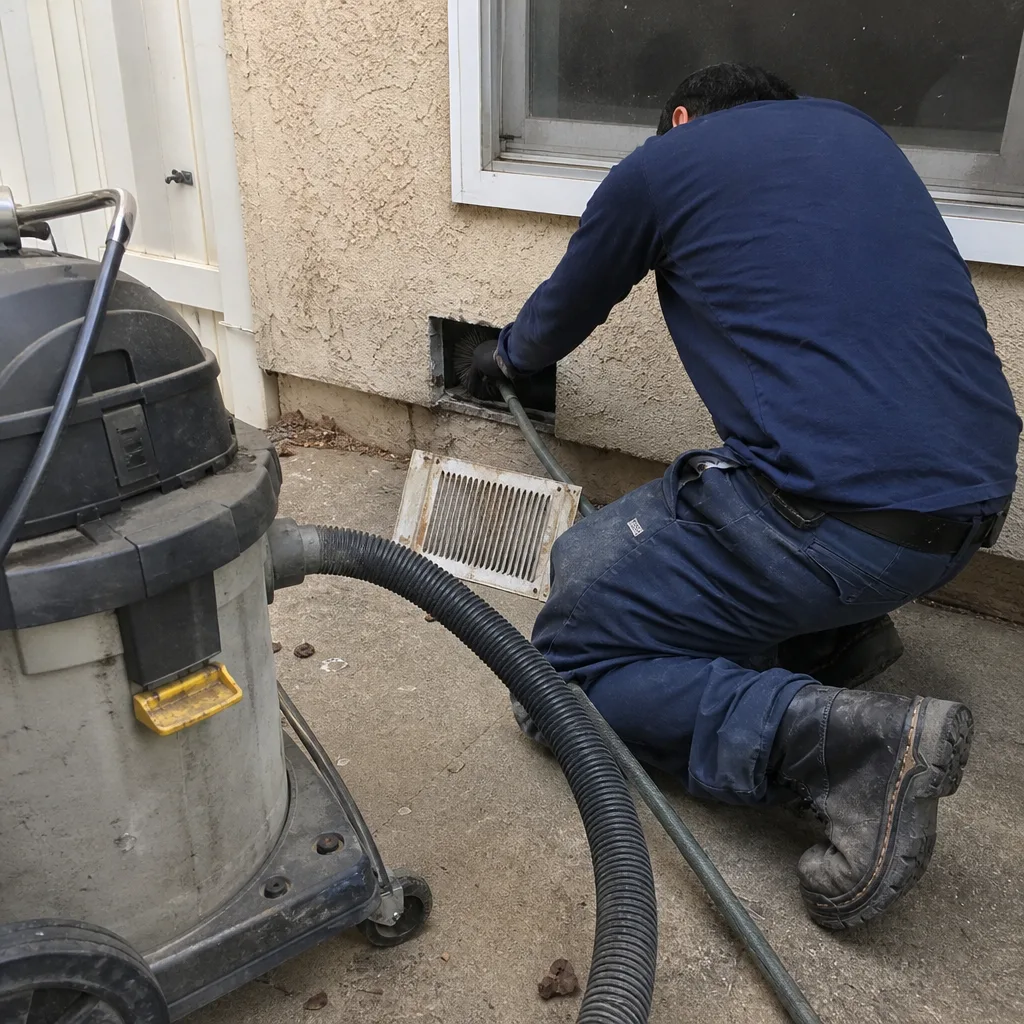 Before
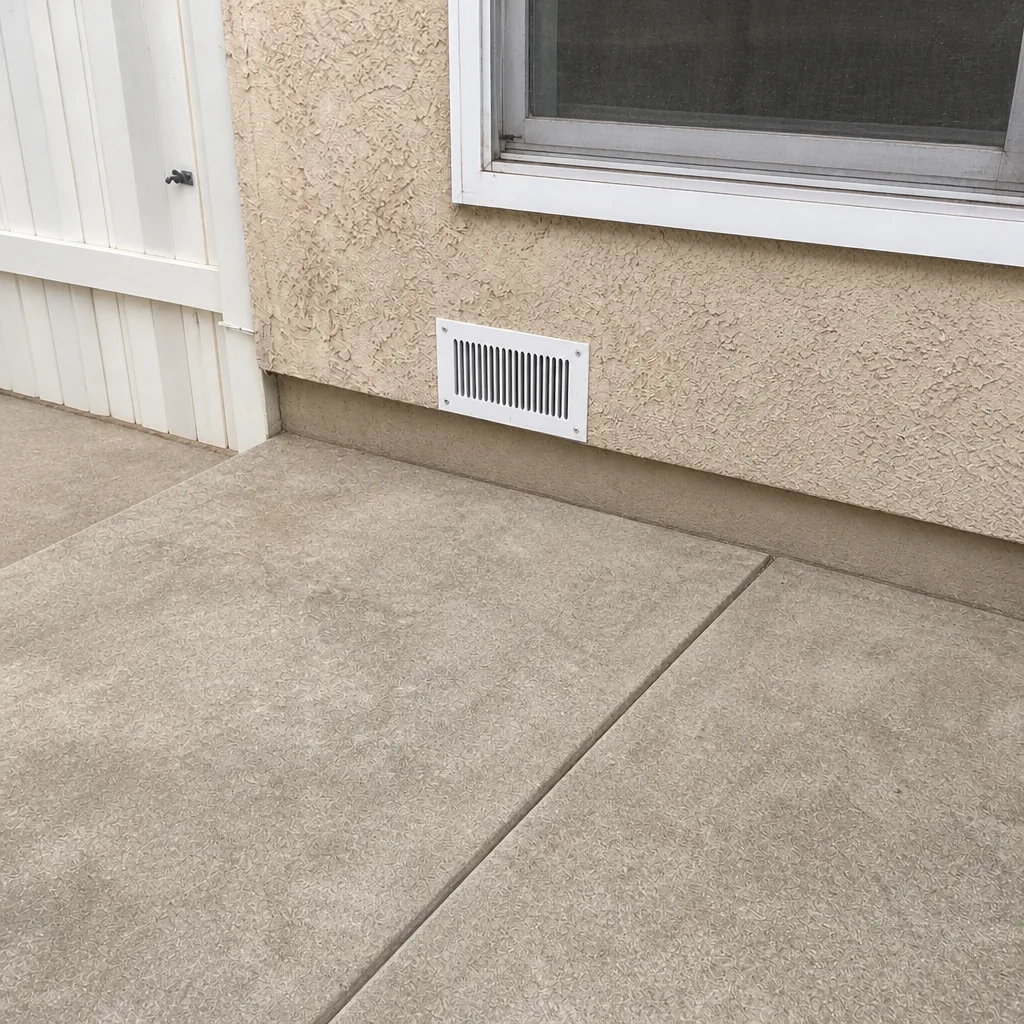 After
When to Call a Professional
Some situations are worth inspecting immediately, no matter what season it is. If you notice a persistent musty smell near registers, visible dust blowing from the vents when the system runs, or a noticeable drop in airflow in one or more rooms, those are signs the system needs a professional look. Same goes for any home that’s just been through a renovation, that’s had water intrusion in the attic, or that’s experiencing a first allergy season after years without a duct cleaning. Smoke and Santa Ana events are a reason to check even without symptoms, because the most heavily loaded systems often don’t show obvious signs until the coil is already coated. Our team can walk you through what we find and what we’d recommend.
Garden Grove Air Duct Cleaning Pros offers free estimates in Garden Grove. Call (833) 382-8410. We answer 24/7. Fast dispatch from 7am to 7pm, Sunday through Friday.
Frequently Asked Questions
Most homes need a full duct cleaning every 3 to 5 years, but Garden Grove’s climate can shorten that interval. Homes that run the system continuously through wind events or wildfire smoke seasons may need cleaning closer to the 2 to 3-year end, while a home with a high-MERV filter and a good maintenance routine can extend it. An inspection is the way to know for certain, and our HVAC cleaning service includes a full-system check that makes the answer clear.
No, a shop vac can’t do a proper job on residential ductwork. It lacks the reach, the airflow, and the agitation tools that professional systems like Rotobrush and Nikro use to dislodge debris from the full duct interior, including the coil and the blower. A surface vacuum at the register reaches only a small fraction of the system, and it can actually stir up material that would otherwise stay settled. Professional-grade equipment is what separates a real cleaning from a surface pass.
Duct cleaning is priced per job by a written estimate, not by the vent or the hour, so quotes vary based on system size, complexity, and what needs to happen. A lower quote is often based on a surface-only pass, while a higher quote typically reflects full-system cleaning with professional equipment and an inspection that includes duct repair, sealing, and filtration review. Confirm the scope in writing before you commit, and make sure the quote covers the coil and blower, not just the duct runs.
It often does, especially when the contamination is driven by the local wind and smoke patterns. Removing accumulated dust, pollen, and fine particulate from the ducts reduces what the system can re-circulate into rooms. It works best when it’s paired with proper filtration; cleaning removes what’s in the ducts, and filtration keeps them clearer going forward.
Late spring to early summer is the ideal window, because it clears the system before wildfire smoke season and after the winter Santa Ana events. Late winter works as a second window, catching the system after wind season and before June Gloom humidity arrives. But if the system is showing symptoms, timing shouldn’t be the deciding factor; an inspection is worth doing now.
Ask for before-and-after photos of the ducts, and ask the technician to walk you through what was found at each stage. Professional cleaning with Rotobrush and Nikro equipment is verifiable because the debris shows in the collection containers, and the visual evidence is what tells you the system actually came clean. Our technicians walk you through what we found, what we did, and what your air quality looks like after the work is complete.
The Bottom Line
Garden Grove’s duct care calendar isn’t the standard spring-fall one, and following a generic schedule leaves gaps precisely where this climate loads a system hardest. The pattern to remember: clean before wildfire smoke season, inspect after Santa Ana events, watch for moisture after rain, and stay alert to the marine layer’s effect on attic duct insulation over multi-year periods. Between professional cleanings, the filter is the tool that matters most, and a properly rated one does more for indoor air than any shortcut at the register. Our technicians have up to 14 years of experience matching the schedule to the actual local conditions.
Ready for a full-system inspection tuned to Garden Grove’s climate? Call (833) 382-8410 for a free estimate. We answer 24/7. Fast dispatch from 7am to 7pm, Sunday through Friday.
Written by the team at Garden Grove Air Duct Cleaning Pros.