
Last updated November 24, 2026
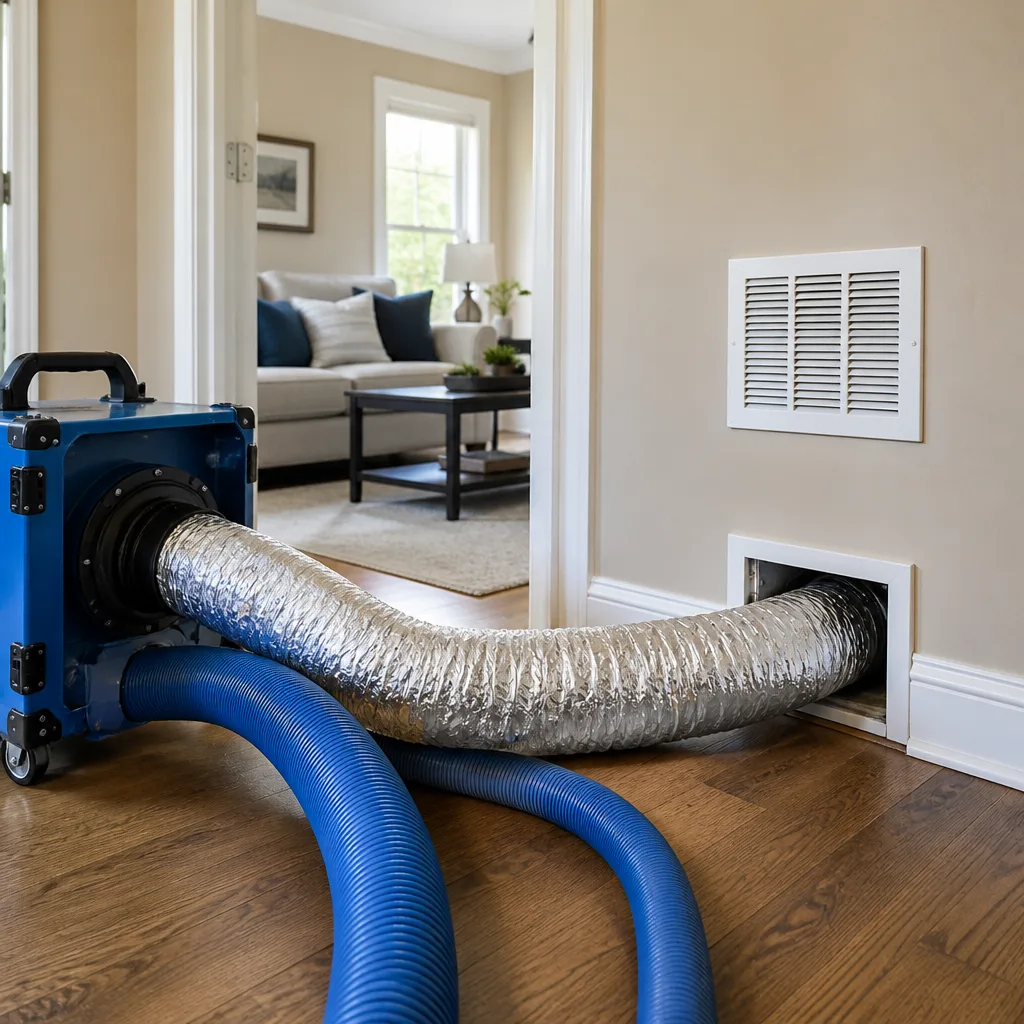 Whole-home duct cleaning
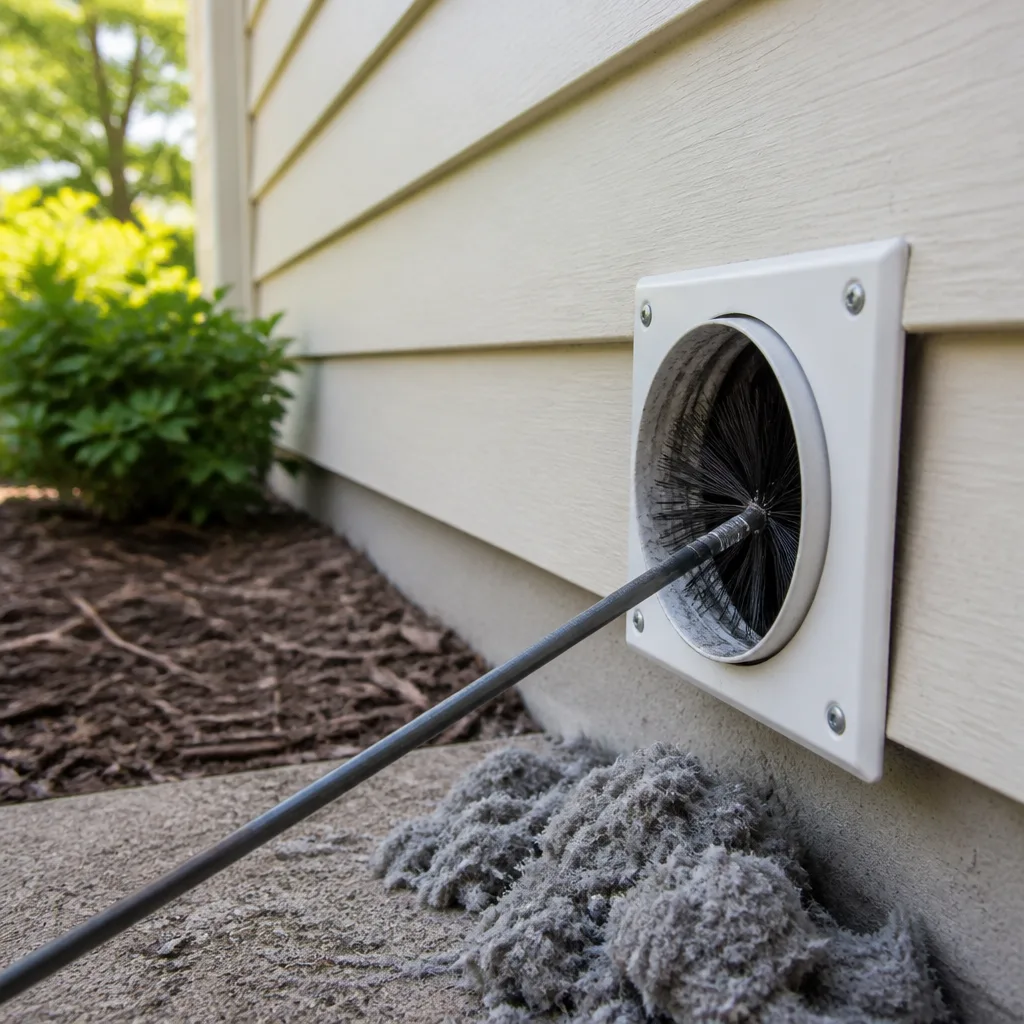 Dryer vent cleaning
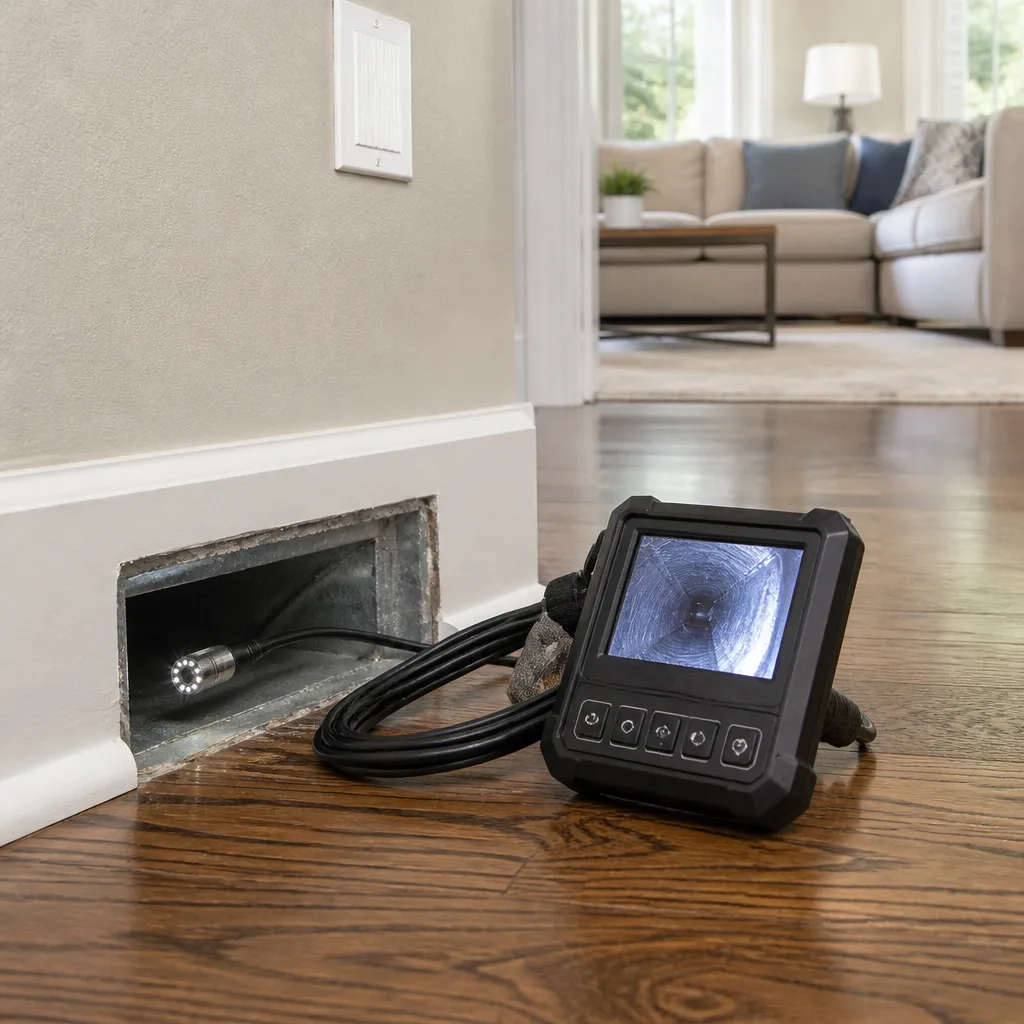 Camera inspection
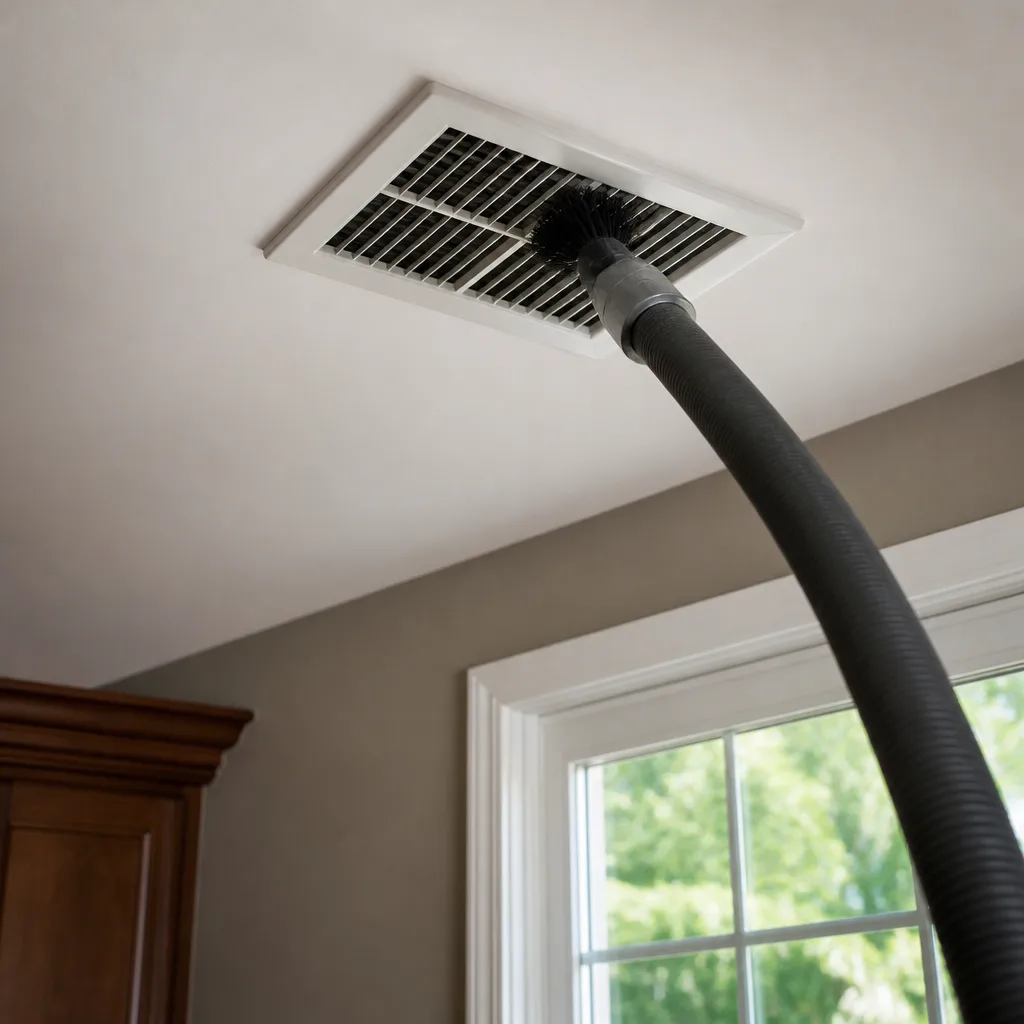 Sanitizing & deodorizing
Whole-system duct and dryer vent check with before-and-after photos - you see exactly what came out of your vents
That "$99 whole-house special" is a bait ad - the real number appears once they are in your hallway, or the "clean" is a shop-vac at the register. We photograph the inside of your ducts before and after instead.
Air Duct Cleaning Maintenance Checklist for Garden Grove Homeowners
A generic duct maintenance checklist tells you to change your filter quarterly. It rarely tells you what to do the week after a wildfire sends smoke into Garden Grove for several days straight, or how to tell whether the filter media in your air handler is dirty or actually wet from a humid stretch. Those distinctions matter more here than a calendar reminder, because Garden Grove homes deal with smoke events, seasonal humidity swings, and renovation dust that can undo a fresh cleaning in a matter of weeks. This checklist is built around triggers, not just intervals, so you know what to do and when. Below we cover filter inspection, register checks, record keeping, and the moments that should prompt an earlier call to a professional.
Quick Answer
A Garden Grove homeowner should inspect filters monthly and replace them on condition rather than a fixed schedule, do a simple visual check of supply and return registers every few months, and schedule professional duct cleaning every two to three years, or sooner after a wildfire smoke event, a renovation, water intrusion, or a new HVAC install. Keep a written log of every filter change and cleaning so you have proof of maintenance when you sell the home or file a warranty claim. If you smell smoke or musty odors from the vents, or see debris blowing out of a register, don’t wait for the calendar.
Styles & brands we work with
- Whole-home duct cleaning
- Dryer vent cleaning
- Camera inspection
- Sanitizing & deodorizing
Table of Contents
- Why Garden Grove Ducts Need a Trigger-Based Schedule
- Filter Inspection: What Dirty vs. Moisture-Damaged Looks Like
- How to Inspect Your Registers Between Cleanings
- The Post-Wildfire Smoke Checklist
- Post-Renovation and Water Intrusion Resets
- Extra Items for Pets, Allergies, and Respiratory Conditions
- What Records to Keep and Why They Matter in California
Why Garden Grove Ducts Need a Trigger-Based Schedule
Duct contamination doesn’t build on a tidy clock. It builds when something pushes particulate into the system: smoke drifting in from a regional fire, drywall dust from a kitchen remodel, a slow roof leak, or the first hot week when the air conditioner starts pulling through months of settled dust. A homeowner in Garden Grove who only follows a “clean every three years” rule can end up with a system that is technically on schedule and still visibly dirty. That’s why we recommend treating the calendar as a baseline and the events as the real prompts.
Garden Grove sits in a basin where summer heat and inland air movement can carry smoke from fires burning well outside Orange County. We’ve seen those multi-day smoke events coat filters and duct interiors faster than any seasonal dust would. The same climate brings humid stretches along the coast-influenced parts of the city, where filter media can absorb moisture and start to support microbial growth long before it looks clogged. Neither of those conditions shows up on a generic checklist.
The practical approach is a two-layer schedule. The first layer is your standing inspection rhythm: monthly filter checks and quarterly register walk-throughs. The second layer is the trigger events that reset the timeline. When a trigger occurs, you inspect early, replace filters, and decide whether the system needs more than a filter change. Professional work, when it’s needed, should be documented and equipment-backed, which is what separates a real air duct cleaning visit from a quick surface pass.
Filter Inspection: What Dirty vs. Moisture-Damaged Looks Like
Most filter advice stops at “change it when it looks dirty.” In Garden Grove’s humidity range, you need to tell the difference between a filter that is loaded with dust and one that has taken on moisture. They look different, they smell different, and they call for different actions.
Here’s what to compare side by side:
- Dust-loaded media: a uniform grey or tan cast across the face, light and fluffy, with dust holding together when you tap it. This is normal loading. Replace it and move on.
- Moisture-compromised media: darkened patches, ripples or waviness in the pleats, a damp feel, a musty or earthy smell when you open the air handler cabinet, or media that has collapsed against the frame. This one is a flag. Water in the air handler is not just a filter problem, and a filter alone won’t fix it.
- Frame gap or bypass: dust collecting on the cabinet walls around the filter rather than in the media itself. That means air is slipping past, and the system is pulling unfiltered air into the ducts.
- Collapsed pleats: the filter is being pulled toward the blower, which points to airflow resistance and an undersized or heavily loaded filter.
Check your filter monthly. Hold it up to a light: if you can’t see through it, replace it. If you find moisture or a musty smell, treat it as an air-quality issue and get the air handler looked at before you keep running the system. Persistent moisture can indicate a condensate problem or a return duct drawing humid air from a crawlspace or garage. That’s a job for a technician, not a filter swap.
Airflow is also worth watching. A filter that is too restrictive for your system can reduce airflow and make the blower work harder. If you’ve been stepping up to a higher filtration rating and your system feels weak at the registers, the filter may be the cause. We install Honeywell and Aprilaire filtration products specifically because they’re matched to the system rather than guessed at, and the right media cabinet lets you keep good filtration without choking airflow.
How to Inspect Your Registers Between Cleanings
A register check is the simplest thing you can do between professional service visits, and it takes about ten minutes. You’re looking for evidence that something is building up or coming loose inside the system.
- Turn the system off at the thermostat so nothing circulates while you inspect.
- Remove one supply register on each branch of the house. Shine a flashlight into the boot and the first section of duct. Look at the inside surface.
- Wipe the inside with a white paper towel. Light grey film is normal. Thick, sticky, or dark deposits are not.
- Look for debris fall-out: drywall dust, insulation fibers, or construction grit sitting on the boot floor.
- Check the return grille and the return duct nearest the air handler. The return side collects the heaviest load.
- Smell the register with the system off. Musty, smoky, or chemical odors point to a source you should track down.
- Reinstall the register and note your findings in your log with the date.
These findings warrant an earlier service call rather than waiting for your next scheduled cleaning: visible debris blowing from the registers when the system comes on, dark staining on duct walls, a persistent odor, mold or standing moisture anywhere in the air handler, or insulation that has come loose inside the duct. A garden-variety dust film on a paper towel isn’t a red flag. Blowing grit and odor are.
If you call for an inspection, ask what equipment the technician plans to use. This trade is crowded with operators who show up with a shop vacuum and a wand. Professional systems like Rotobrush and Nikro are purpose-built to agitate and extract debris from the full run of ducting, and Abatement Technologies gear is what remediation contractors use when the concern goes beyond surface dust. The equipment tells you what level of work you’re getting.
The Post-Wildfire Smoke Checklist
When smoke lingers over Garden Grove for several days, the work doesn’t end when the sky clears. Smoke particulate settles into the system, coats filter media, and can leave a lingering odor in the ducts that no amount of opening windows will fix. What you do in the days after the event determines whether your cleaning timeline resets.
Work through this in order once the smoke has cleared and the outdoor air quality has improved:
- Replace the air filter. Don’t wait for the monthly check. Smoke-loaded media sheds particulate back into the system, so change it immediately and note the date.
- Wipe down the return grilles with a damp cloth before you run the system again.
- Run the system on fan-only for a short period and note whether odors return from the registers.
- Inspect the registers using the visual check above. Look specifically for fine grey ash or soot film inside the boots.
- Smell each room’s supply register. A smoky odor that persists after the filter change is a sign the duct interior needs attention.
- Check the outdoor air intake if your system has one, and make sure it’s not pulling in ash-laden air from a nearby source.
- Log the event in your maintenance record with the date and what you changed.
If the odor persists or your filter loads again within a couple of weeks, plan for professional cleaning rather than another filter. Our technicians have up to 14 years of experience with smoke-related contamination and know when a filter change is enough and when the ducts themselves need to be cleaned and the system sanitized. The same Garden Grove Air Duct Cleaning Pros team handles both.
Post-Renovation and Water Intrusion Resets
Two events reset your duct maintenance clock in a way most homeowners underestimate: a renovation and water intrusion. Both push material into the system that wouldn’t otherwise be there, and both can undo the benefit of a recent cleaning within weeks.
After a renovation. Drywall dust, sawdust, insulation fibers, and construction grit all get airborne. Even with plastic sheeting up, some of it finds the return. Contractors working on a bathroom or kitchen in Garden Grove often seal the immediate area but not the return grille on the same floor, and the system pulls that dust straight into the ductwork. When the project wraps, change the filter, do a register inspection, and consider professional cleaning before you start running the air conditioning hard for the season. Cleaning before summer is much cheaper than living with dust-coated ducts all season.
After water intrusion. A slow roof leak, a supply line failure, or a condensate overflow that wets the air handler can create moisture in the duct system. That’s not a dust issue. It’s a contamination issue. Drywall or insulation that has been wet and stayed wet can support mold growth, and that growth can colonize duct surfaces. Visually inspect the air handler, the return plenum, and the boots for staining or odor. If you find evidence, have the system evaluated by a technician before running it. This is exactly the situation where Abatement Technologies equipment and a proper sanitizing protocol matter. Clean, dry, and then sanitize, in that order.
Both cases point to the same gap in most duct cleaning: cleaning without repair or sealing. A duct system that has come loose, has gaps at the joints, or has a damaged boot will re-accumulate debris quickly, and it will leak conditioned air into a crawlspace or attic. Cleaning without sealing means paying for the same job twice. We handle HVAC cleaning, repair, and sealing together so the system stays clean and the airflow stays where it belongs.
Extra Items for Pets, Allergies, and Respiratory Conditions
Standard intervals work for many households. They don’t work for homes with shedding pets, allergy sufferers, or occupants with asthma or other respiratory conditions. For those households, we recommend tightening the rhythm and adding a few additional checks.
- Filter checks every two to three weeks rather than monthly. Pets shed, and the load on filter media builds faster than the calendar suggests.
- Register checks quarterly rather than twice a year, with attention to the return nearest the highest-traffic room.
- Professional duct cleaning every 18 to 24 months for homes with pets or allergy sufferers, and sooner after any trigger event.
- Filtration upgrades considered as part of the system, not bolted on. Whole-home media cabinets and purifiers can meaningfully reduce what settles in the ducts, but they have to be sized correctly. This is why we work with Honeywell and Aprilaire products matched to the home.
- Dryer vent cleaning on a set interval, not just when you remember. We see lint buildup in Garden Grove homes where the dryer has been running daily for years without a professional vent clean. The fire risk here is real and the cleaning is straightforward.
- Odor tracking: a log of any musty, smoky, or chemical smell and the room it came from helps a technician trace the source quickly.
If anyone in the household has asthma or a diagnosed respiratory condition, mention it when you book. The technician can tailor the process, including sanitizing and the choice of filtration products. We don’t treat every home the same, and a household with an allergy sufferer needs a different plan than a household of two adults with no pets.
The one service we recommend every household add to its checklist: dryer vent cleaning. It addresses the leading cause of residential dryer fires, and it’s the service duct-only competitors tend to skip.
What Records to Keep and Why They Matter in California
Documentation is the part of duct maintenance almost nobody keeps. It’s also the part that pays off when you sell the home or file a warranty claim. California homes move fast, and buyers and their inspectors ask for maintenance history. A simple log answers those questions without a scramble.
Keep these records, ideally in one folder or one shared digital document:
- Filter change log: date, filter size and rating, and any notes about condition.
- Cleaning records: date, who performed the work, what equipment was used, and what was found. A written report from a professional service is worth more than a verbal summary.
- Air handler inspection notes: date, findings, and any repairs made.
- Trigger events: wildfire smoke events, renovations, water intrusion, and the date each occurred. These explain gaps and justify earlier cleanings.
- Repair and sealing records: what was sealed or repaired and when, especially if a warranty on the work exists.
- Dryer vent cleaning receipts: date and provider, kept with the appliance records.
Why keep these specifically? Home sales in California routinely involve a disclosure packet and a buyer inspection. A maintenance log demonstrates the system has been cared for, which can head off questions at inspection. On the warranty side, HVAC equipment warranties often require documented maintenance, and a claim can be denied without proof. And for property managers, a log per unit is the simplest way to stay ahead of tenant air-quality complaints. If you’re managing several units, the same checklist applies to each, with a separate log.
The rule is simple. If it happened to the system, write it down with a date.
Common Mistakes to Avoid
- Changing the filter on a fixed calendar instead of inspecting it. In Garden Grove, a smoke event or a week of humidity can load a filter in days. Inspect monthly.
- Treating a damp filter as a dirty filter. Moisture in the air handler points to a condensate or return-air problem, and a new filter won’t fix either.
- Skipping the register check entirely. Ten minutes with a flashlight and a paper towel tells you more about duct condition than a whole year of calendar reminders.
- Cleaning ducts without addressing leaks and loose joints. Cleaned ducts that leak re-accumulate debris fast. Repair and sealing belong in the same visit.
- Forgetting the dryer vent. Duct-only competitors skip it, and it’s the leading cause of residential dryer fires. It needs a set interval and a record.
- Ignoring a lingering smell after a smoke event. A persistent smoky odor after the filter change is a sign the duct interior needs professional attention, not another filter.
- Keeping no records. No log means no proof of maintenance at inspection or at warranty claim time, and that’s an avoidable headache.
See the difference
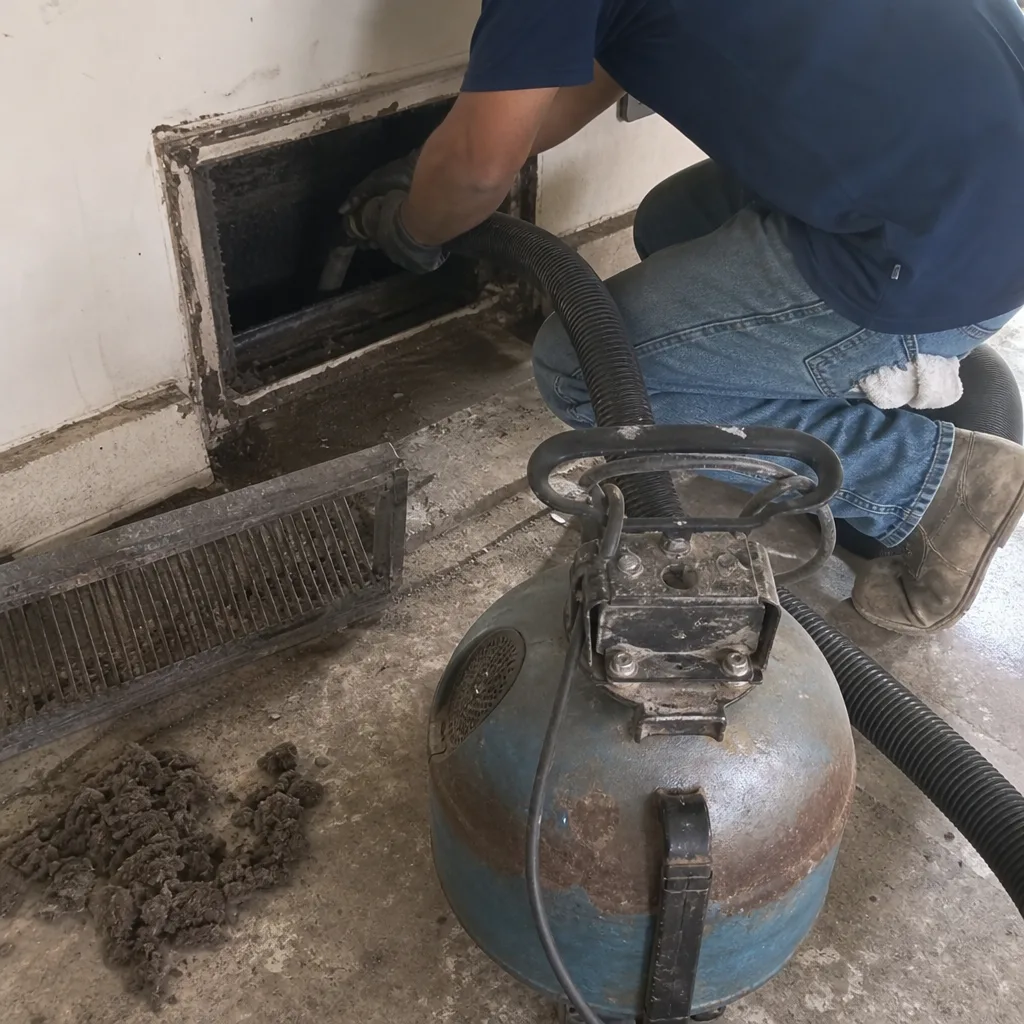 Before
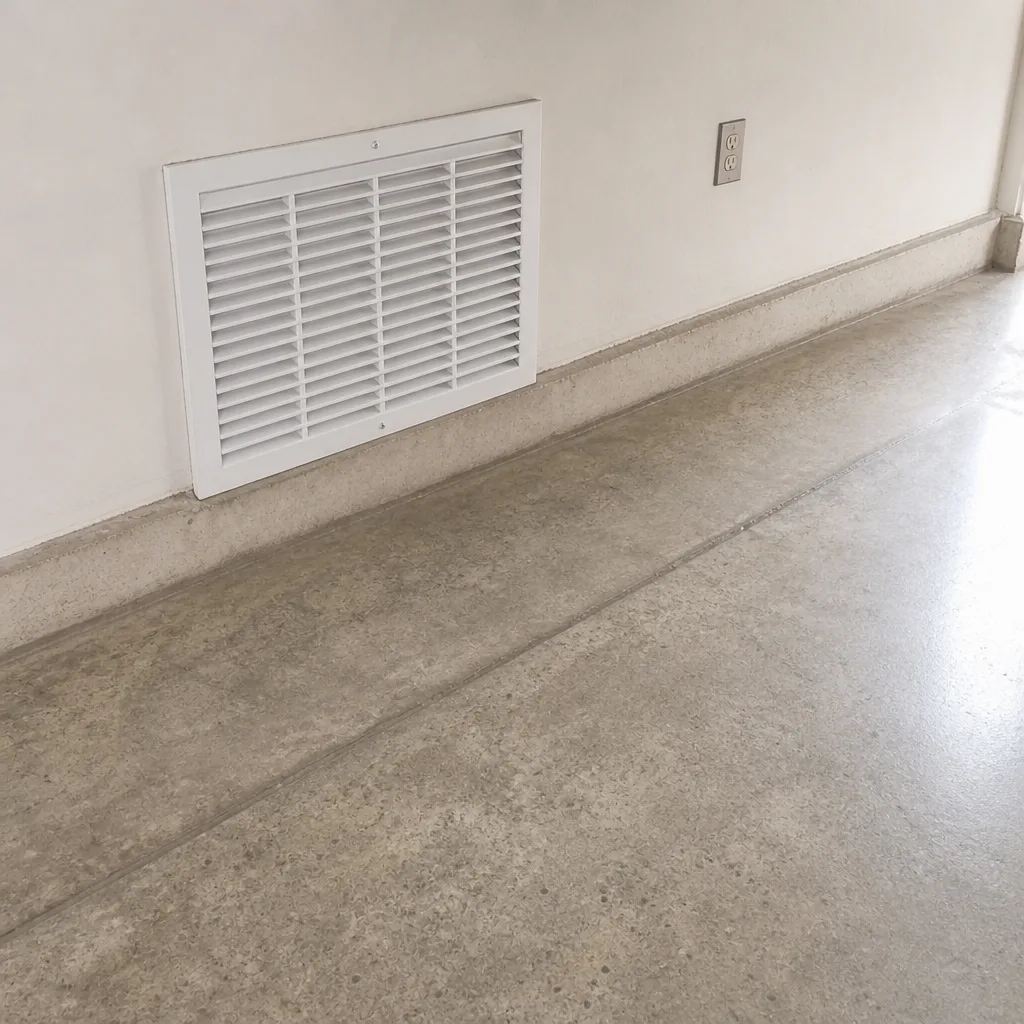 After
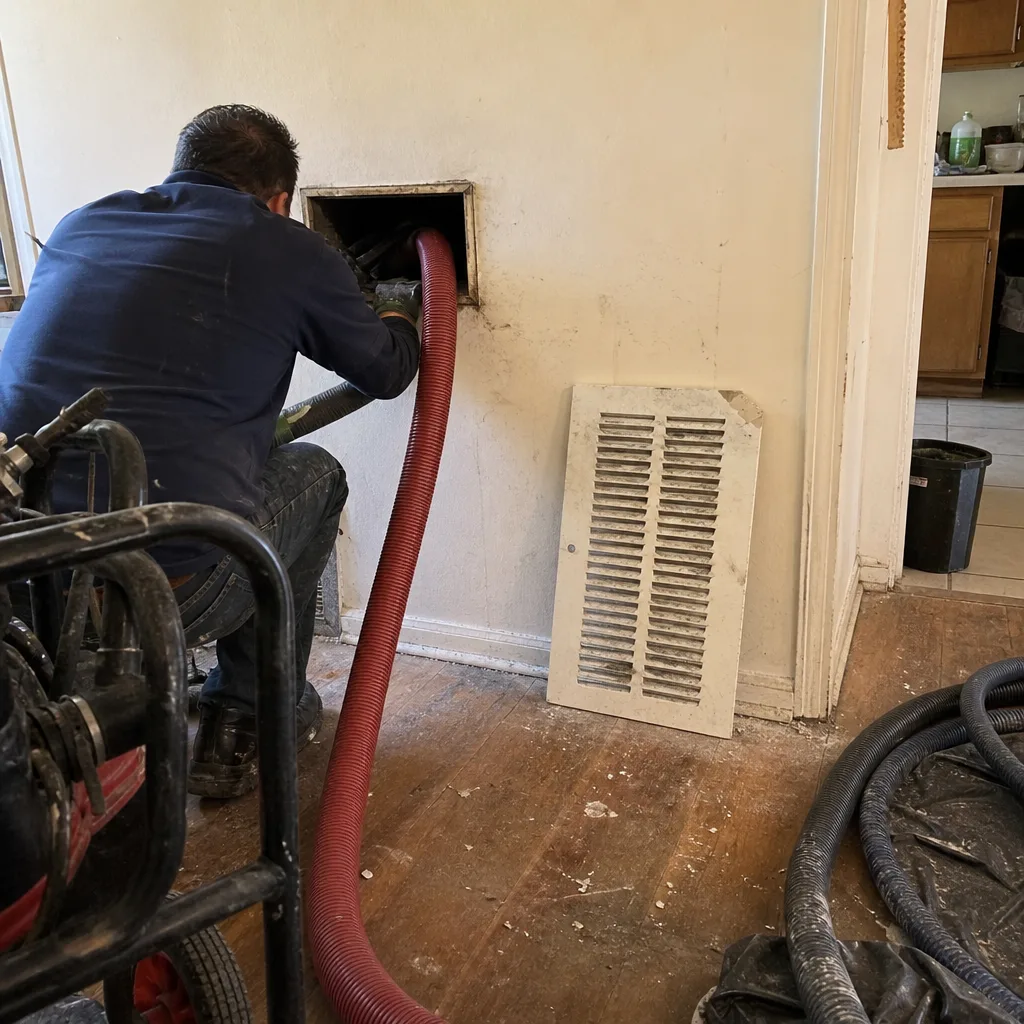 Before
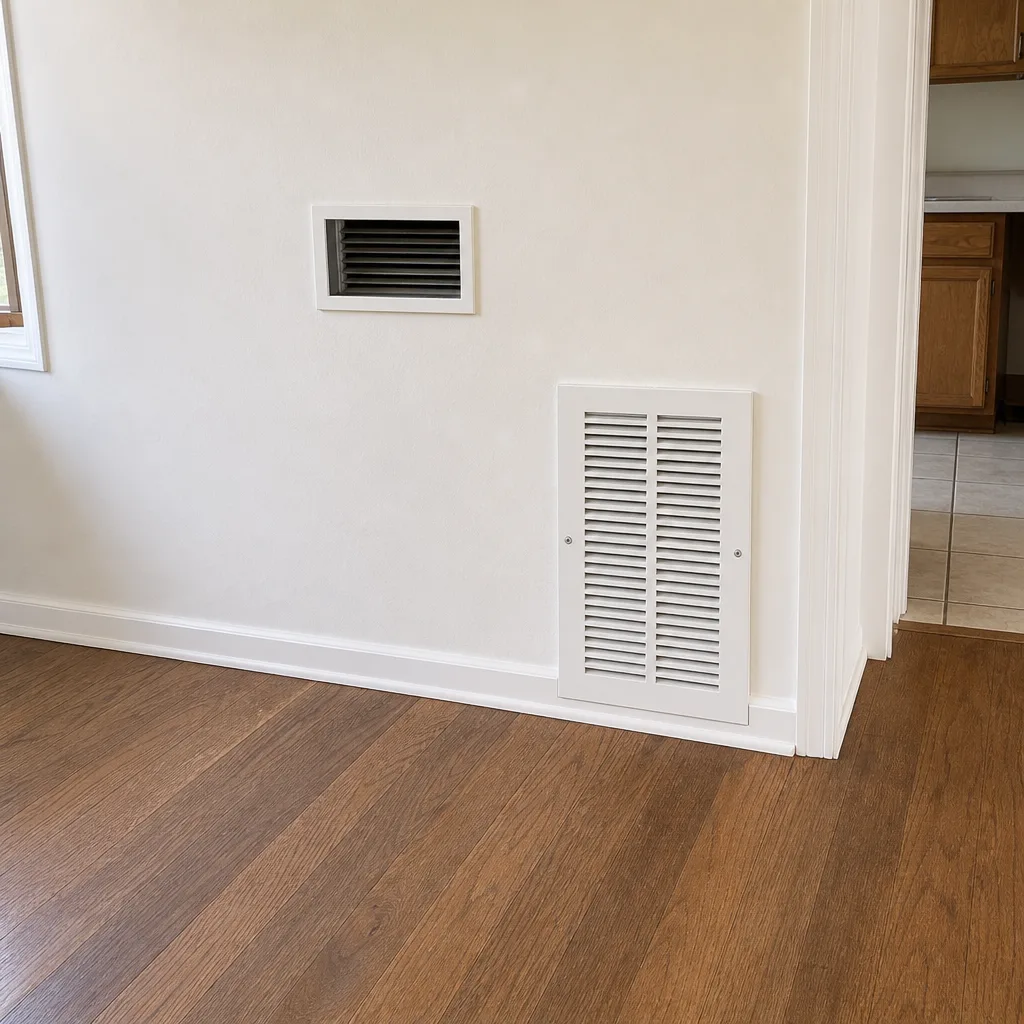 After
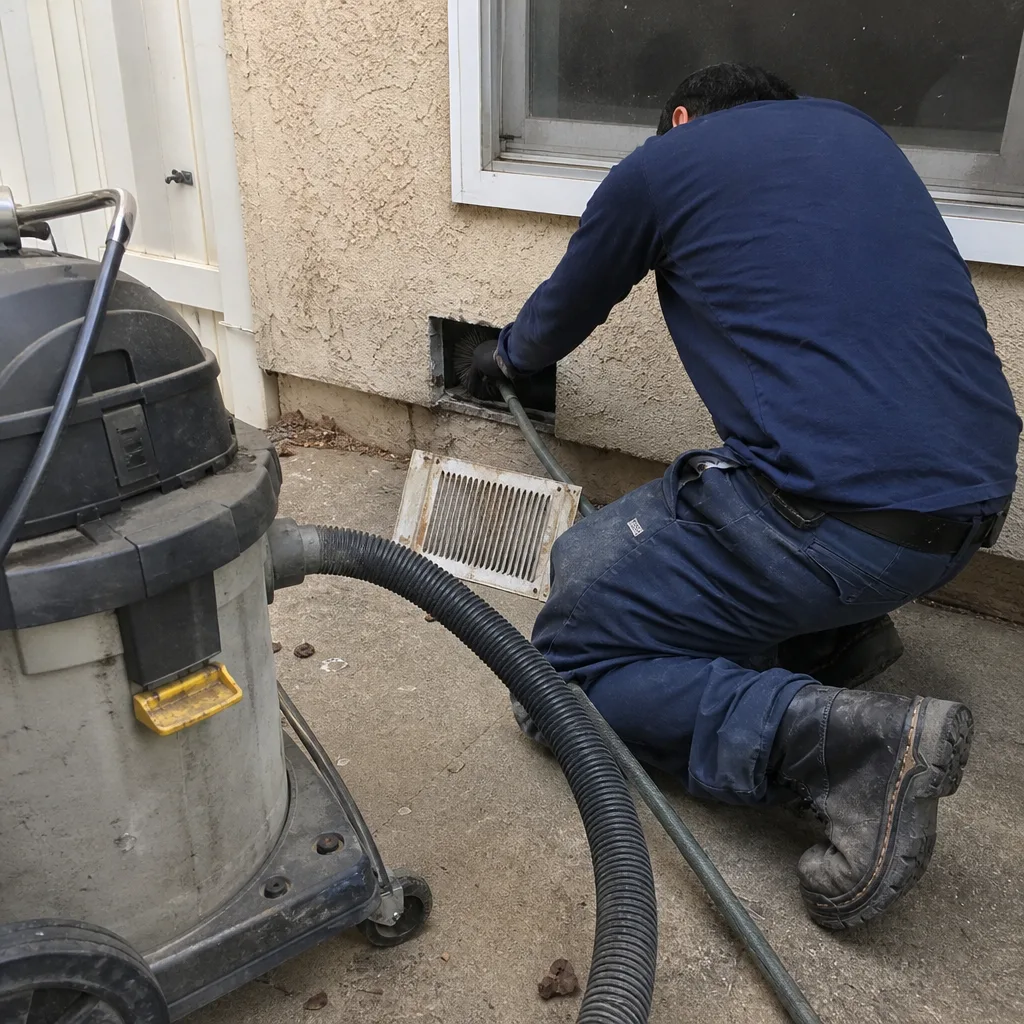 Before
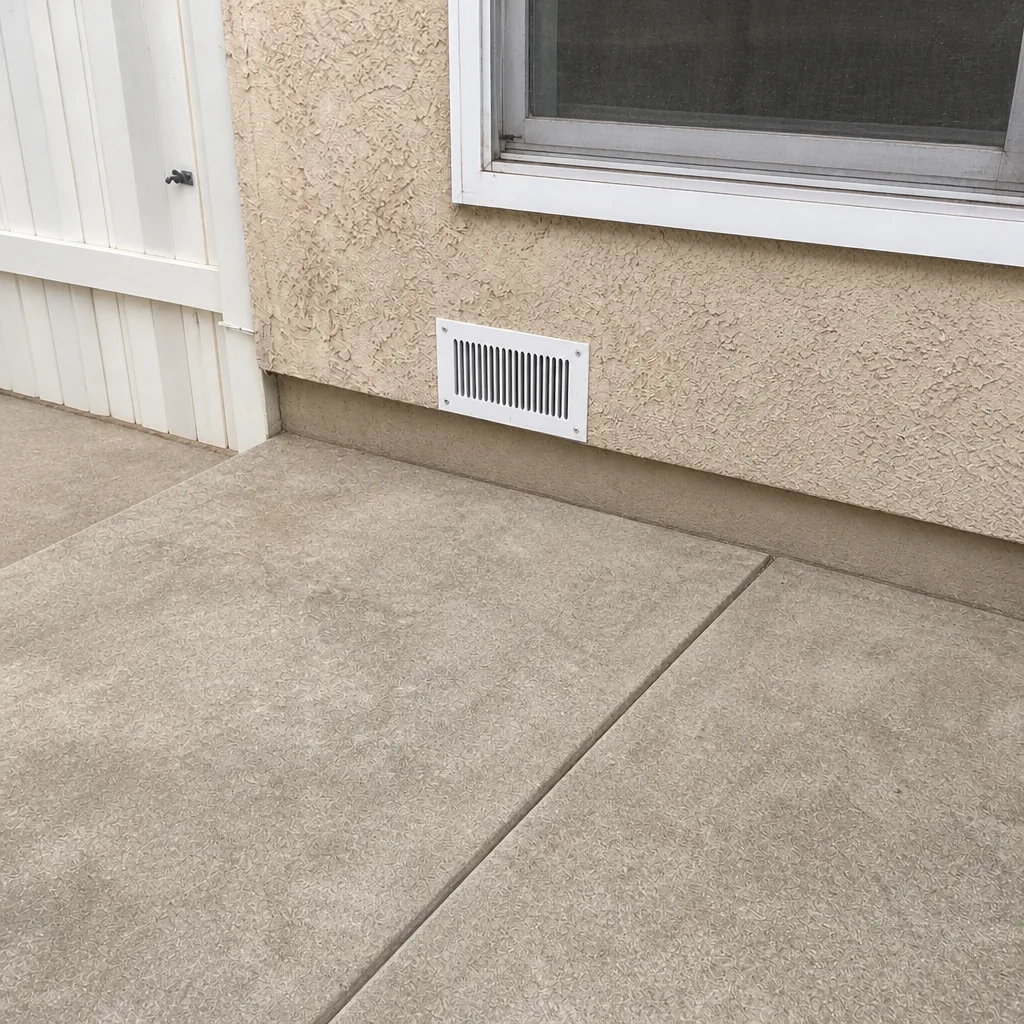 After
When to Call a Professional
You should call a professional when a register inspection turns up debris blowing into the room, a persistent odor, visible staining or moisture in the air handler, or insulation that has come loose inside the duct. Call after a wildfire smoke event if the smell lingers once the filter has been replaced, after a renovation that generated heavy dust, and after any water intrusion that may have contacted the duct system. Call if anyone in the home has respiratory concerns and you can’t tell whether the ducts are contributing. And call when it’s simply time for the every-two-to-three-year cleaning and you want it done with documented, professional equipment. Garden Grove Air Duct Cleaning Pros offers free estimates in Garden Grove – call (833) 382-8410. We answer 24/7, with fast dispatch from 7am to 7pm, Sunday through Friday.
Frequently Asked Questions
Plan on professional cleaning every two to three years as a baseline, but treat trigger events as the real prompt: a multi-day wildfire smoke event, a renovation, water intrusion, or a new HVAC install should each reset the timeline. Households with pets, allergy sufferers, or occupants with respiratory conditions can tighten that to every 18 to 24 months. Inspect your filters monthly and your registers quarterly to catch buildup early. Call (833) 382-8410 for an exact quote – estimates are free.
Dirty filter media is uniformly grey or tan and feels dry and fluffy; moisture-damaged media shows dark patches, wavy pleats, a damp feel, or a musty smell when you open the air handler cabinet. If you find moisture or an earthy odor, treat it as an air-quality issue and have the air handler inspected before you keep running the system. A new filter alone won’t solve a moisture problem. Call (833) 382-8410 to schedule an inspection – estimates are free.
Cheap quotes usually reflect equipment and scope: a shop vacuum and a wand versus professional systems like Rotobrush, Nikro, and Abatement Technologies, and a filter-and-surface pass versus cleaning the full run of ducting plus repair and sealing. A low price also often hides per-vent upcharging and doesn’t include documentation of what was done. We charge one flat price per system, agreed before work starts, with before-and-after photos. Call (833) 382-8410 for an exact quote – estimates are free.
Ask for before-and-after photos of your own ducts and a written report of what was found and what was performed. A professional service should also walk you through the findings and give you the documentation you can keep in your maintenance record. Anything less leaves you guessing. Call (833) 382-8410 for an exact quote – estimates are free.
Change the air filter immediately, wipe down the return grilles with a damp cloth, and inspect the supply registers for fine grey ash or a smoky odor. If the smell lingers after the filter change, the duct interior needs professional attention, and the system may need sanitizing as well as cleaning. Log the event date in your maintenance record. Call (833) 382-8410 for an exact quote – estimates are free.
Often, yes. Ducts that have loose joints, gaps at the boots, or damaged sections will re-accumulate debris quickly and leak conditioned air, so cleaning without repair means paying to clean the same system twice. The right sequence is clean, then repair and seal, then sanitize if contamination is present. Ask any provider whether they handle all of it in one visit. Call (833) 382-8410 for an exact quote – estimates are free.
Yes. Lint buildup in a dryer vent is the leading cause of residential dryer fires, and it’s a service most duct-only providers skip. Routine cleaning on a set interval, with a receipt kept in your records, addresses the risk directly. Many Garden Grove homeowners who run the dryer daily should have the vent professionally cleaned on a regular schedule rather than waiting. Call (833) 382-8410 for an exact quote – estimates are free.
The Bottom Line
Maintenance for Garden Grove ducts isn’t a calendar exercise. It’s a set of checks built around the events this city actually sees: wildfire smoke drifting into the basin, humid stretches that compromise filter media, post-renovation dust, and water intrusion that can turn a dust issue into a contamination one. Inspect filters monthly, walk your registers quarterly, and reset the clock after each trigger. Keep a written log so you have proof of maintenance when it matters. And when a trigger calls for professional work, ask about equipment, repair, and documentation before you agree to anything. Done this way, your system stays clean between visits and you know exactly what you’re paying for.
Contact
If you suspect your ducts need more than a filter change, or you want a documented, equipment-backed cleaning and a clear record for your home file, call Garden Grove Air Duct Cleaning Pros at (833) 382-8410 for a free estimate. We answer 24/7, with fast dispatch from 7am to 7pm, Sunday through Friday. We’ll walk you through what we found, what we did, and what your air quality looks like after.
Written by the team at Garden Grove Air Duct Cleaning Pros.